
Ukraine urges EU to unlock billions in frozen Russian assets for critical funding, as key summit debates moral, legal, and political stakes.
ukraine, eu, russian assets, euroclear, zelensky, european commission, orban, putin, war funding, reparations, international relations
Ukraine urges EU to loan frozen Russian assets as war funding crisis looms
By Paul Kirby, Europe Digital Editor
Why Ukraine urges EU to loan frozen Russian assets
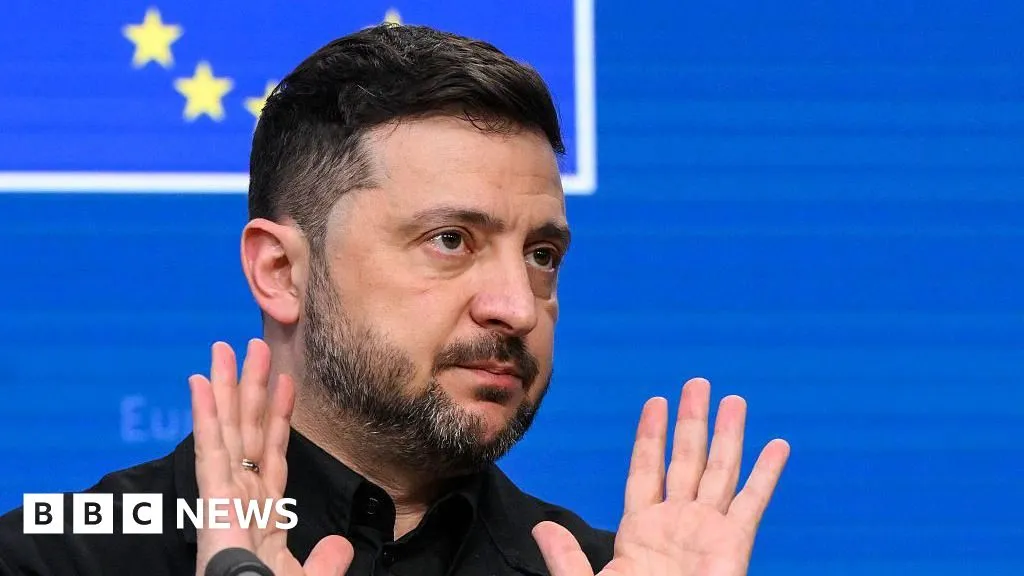
Ukrainian President Volodymyr Zelensky has delivered a passionate plea to European Union leaders, emphasizing the necessity for a multi-billion euro financial package to sustain Ukraine’s defense and economic resilience amid ongoing Russian aggression.
Ukraine is on the verge of a critical funding shortfall. President Zelensky warned that without authorized support by the spring, the nation “will have to reduce production of drones“, a vital element of the country’s defense structure, leaving Ukraine exposed.
What Are the Frozen Russian Assets?
The assets under discussion are roughly €210 billion (about $245 billion), predominantly held by the renowned Belgian securities depository Euroclear. Currently, only the interest accruing on these assets has been allocated by the EU for discussion; there is mounting international pressure to utilize the principal funds for Ukraine’s urgent needs.
Political Divisions Within the EU
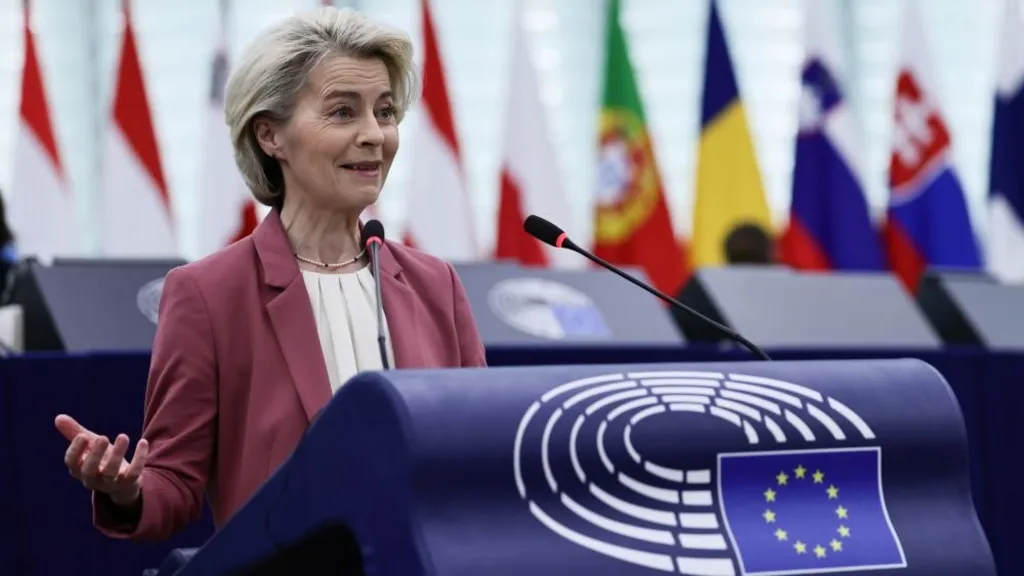
The Brussels summit occurs at a decisive point in the war. Russia has claimed its frozen assets in Moscow’s courts and has warned against what it calls a “reparations loan.” Meanwhile, EU leaders, including the President of the European Commission Ursula von der Leyen, are struggling to find an actionable consensus.
Countries such as Belgium, Hungary, Slovakia, Malta, Bulgaria, and the Czech Republic have raised reservations over the process, reflecting a broader debate about the right moral, legal and financial path forward.
Where Do Key EU Leaders Stand?
- Belgium: PM Bart De Wever remains cautious but open if terms are addressed, acknowledging it’s ultimately a “leap of faith.”
- Hungary: PM Viktor Orban opposes any additional EU financial support for Ukraine, blocking proposals that require unanimous approval.
- Germany: Chancellor Friedrich Merz advocates a clear message to Russia by using the frozen assets.
- Italy: PM Giorgia Meloni supports the funding if legally justified.
Moral, Legal, and Financial Stakes
The issues at stake are complex. EU officials believe there is solid legal standing to appropriate Russian state funds. However, others, including Belgium, are wary of the risks, noting that Fitch Ratings has placed Euroclear on a “negative watch” given the legal uncertainties.
The outcome will have far-reaching effects on Ukraine’s stability and the EU’s legal and financial frameworks. As European Commission President von der Leyen told the European Parliament: “We know the urgency. It is acute. We all feel it. We all see it.”
Alternative Solutions Under Consideration
In addition to using frozen Russian assets, Belgium has proposed raising funds on the international markets backed by the EU budget. But this plan, too, faces hurdles as it requires unanimous consent from EU member states – currently blocked by Hungary.
Some member nations suggest an escrow system or other guarantees, so that if a future court decision favors Russia, Ukraine will be obliged to refund the assets unless Russia opts to pay reparations.
Global Context and the Push for Peace
These complex negotiations come as US and Russian diplomats prepare to meet in Miami for further peace discussions, while Ukrainian officials seek to solidify support in Washington.
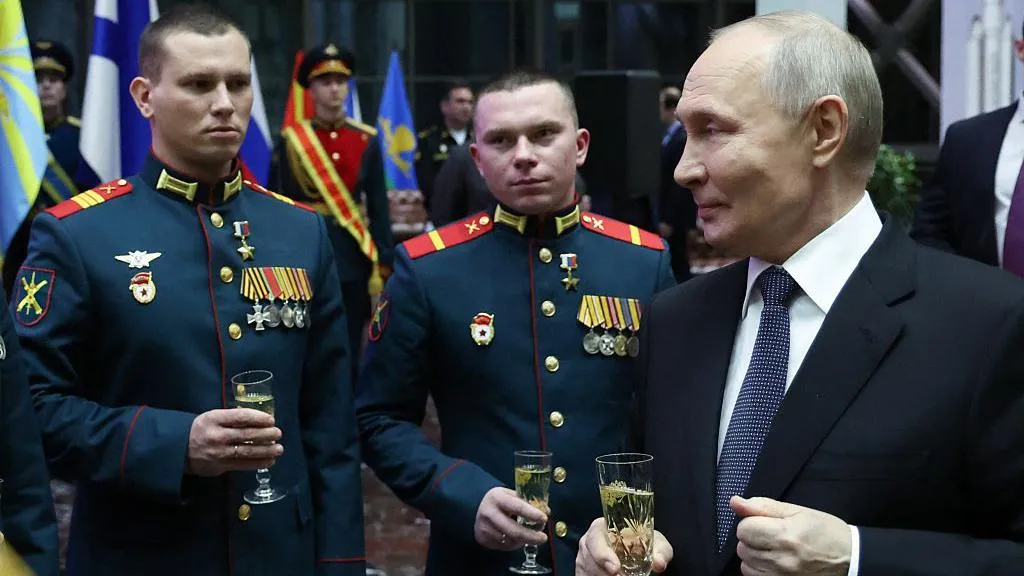
President Zelensky insists the action is not only moral and fair, but also “legal, confirmed by the expertise of many, many professionals.” In parallel, Russian President Vladimir Putin warns of potential escalation if any multinational defense initiative is deployed to Ukraine.
What’s Next for EU and Ukraine?
The summit outcome depends on support from at least 15 member states representing 65% of the EU population. With legal and political challenges still present, the decision’s impact will be deeply felt across the continent.
For a deeper dive on how Ukraine has received international support, read our article How Global Coalitions Support Ukraine.
For further information, see the original BBC coverage.