
A one-year-old Palestinian girl, Siwar Ashour, faces severe health challenges after returning to Gaza from medical treatment in Jordan amid ongoing conflict.
news, Gaza, medical evacuation, Siwar Ashour, humanitarian crisis, Palestine, Jordan, WHO
Siwar Ashour: Gaza’s Medical Crisis and the Struggle for Treatment
By Fergal Keane, Special Correspondent
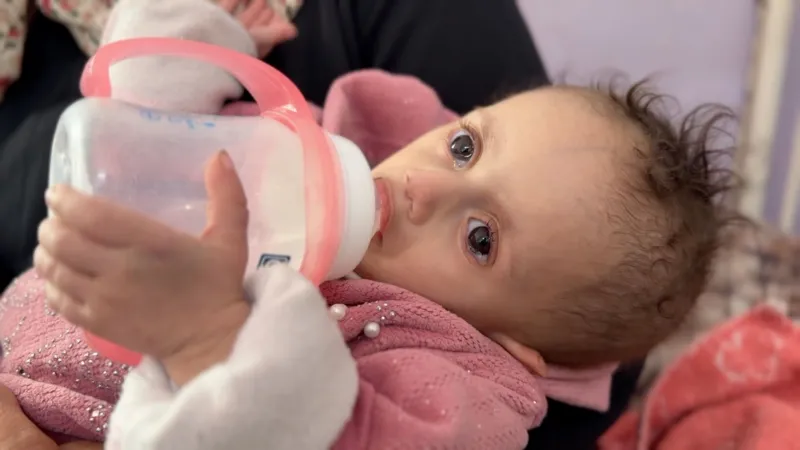 Siwar Ashour spent six months in Jordan after being medically evacuated from Gaza.
The Plight of Siwar Ashour: Returning to Crisis
Siwar Ashour, a one-year-old Palestinian girl, made headlines after being evacuated from Gaza to Jordan for critical medical treatment due to severe nutritional issues. Following six months under the care of Jordan’s medical evacuation program, she was sent back to Gaza on December 3rd, only to be hospitalized again shortly after her return.
According to Siwar’s grandmother, Sahar Ashour, the little girl became ill just three days after arriving back in Gaza, suffering from persistent diarrhoea and vomiting. Unfortunately, the ongoing humanitarian crisis in Gaza, worsened by the region’s conflict and the collapse of health infrastructure, has made it difficult for Siwar and many others to receive the care they desperately need.
Current Health Situation
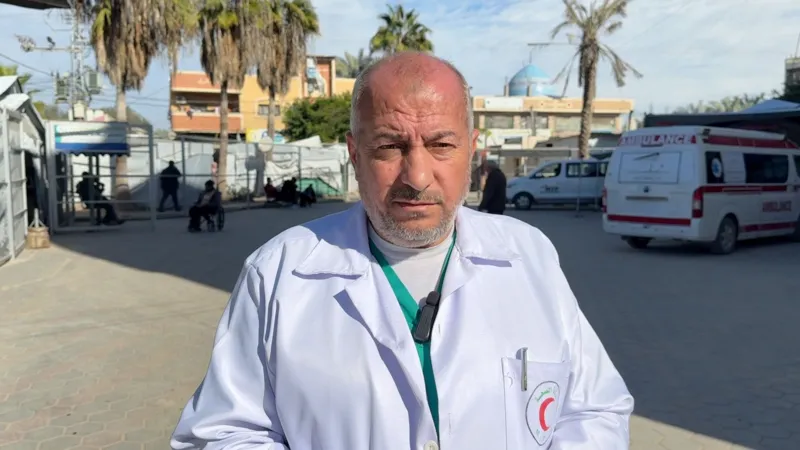
Siwar is now receiving treatment at al-Aqsa Martyrs Hospital in central Gaza, where Dr. Khalil al-Daqran reported she is “receiving the necessary treatment, but the situation is still bad.” Siwar’s gastro-intestinal infection is made worse by her weakened immune system and inability to absorb nutrition, both issues requiring specialized care and therapeutic formula that is in short supply in Gaza.
Challenges Facing Gaza’s Healthcare System
Gaza’s hospitals have suffered extensive damage due to years of conflict. Many operate well beyond their capacity, particularly after an increase in cases following the recent ceasefire. According to the World Health Organization (WHO), the needs in Gaza are “staggering,” and current humanitarian assistance barely covers basic survival requirements.
Resources such as medicines, medical supplies, and even electric generators are in crisis-level shortage, putting the lives of countless children like Siwar at heightened risk.
The Medical Evacuation Program
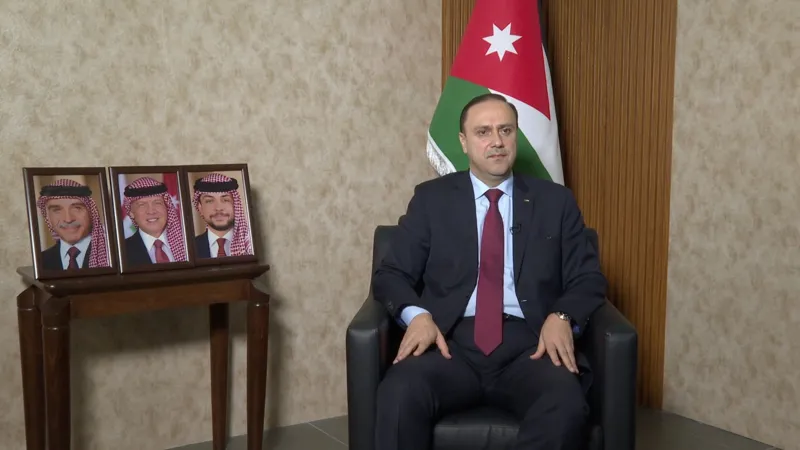
Siwar’s journey to Jordan was made possible after media attention prompted the Jordanian authorities to take action. Jordan has accepted children and other patients from Gaza for treatment as part of an ongoing regional program. As Dr. Mohammed al-Momani, Jordan’s Minister of Communications, explained, patients are returned to Gaza upon completion of their treatment to ensure that the limited evacuation slots can help as many people as possible. Since March, nearly 300 sick or wounded children from Gaza have been treated in Jordan, with many more awaiting assistance.
The return policy is also rooted in the desire not to contribute to the displacement of Palestinians from their homeland, a sentiment echoed by international organizations and governments working in the region.
Barriers to Recovery: Supplies and Blockades
One of the most profound challenges for patients like Siwar is the lack of essential medical supplies. Her specialized formula milk—Neocate—was provided by Jordanian authorities, but most of it was confiscated by Israeli officials at the border for “security considerations.” Only three out of twelve cans of this vital formula were allowed back into Gaza, a situation her mother, Najwa Ashour, described as “unjust.” Even additional clothing provided to the family was impounded.
Restrictions on aid into Gaza and logistical constraints mean critical nutritional and medical supplies are difficult to procure, and the health of the most vulnerable children hangs in the balance. The United Nations and organizations such as WHO have repeatedly called for an increase in humanitarian deliveries, though relief remains insufficient compared to the huge needs.
Efforts for Another Evacuation
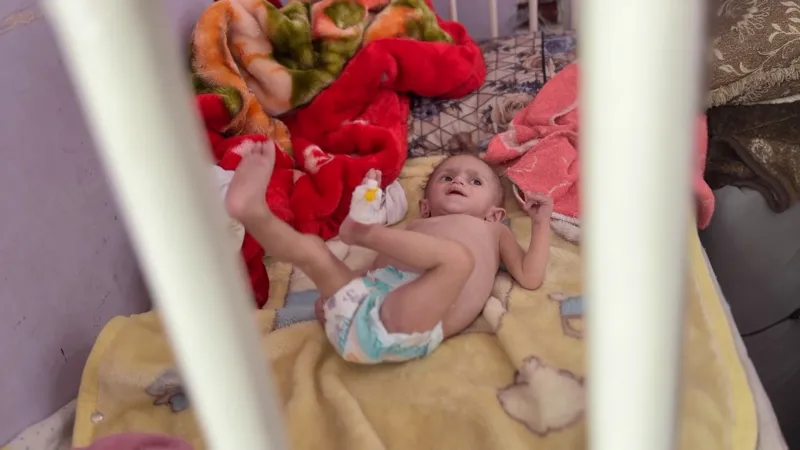
Siwar’s family, recognizing the dire nature of her condition, is working tirelessly to secure permission for her to be evacuated again. The process has begun, coordinated with Palestinian health officials and the World Health Organization (WHO), which handles medical evacuations for Gaza.
While Siwar currently receives some support, including additional formula from local donations and periodic check-ins by Jordanian representatives, the situation remains precarious.
For more on health support for children in crisis, visit our Humanitarian Aid for Gaza guide.
Regional and International Response
Besides Jordan, neighboring countries such as the United Arab Emirates and Turkey have played a vital role in treating thousands of Gaza’s sick and wounded civilians. Jordan continues to supply aid to Gaza both by air and land and maintains a field hospital on the ground. Globally, NGOs and agencies echo the need for urgent and safe medical evacuation corridors and greater access to humanitarian relief.
The hope is that through international cooperation and persistent advocacy, children like Siwar Ashour can have a chance at recovery, even amidst one of the world’s ongoing humanitarian crises.
With additional reporting by Malak Hassouneh, Suha Kawar, and Alice Doyard.