
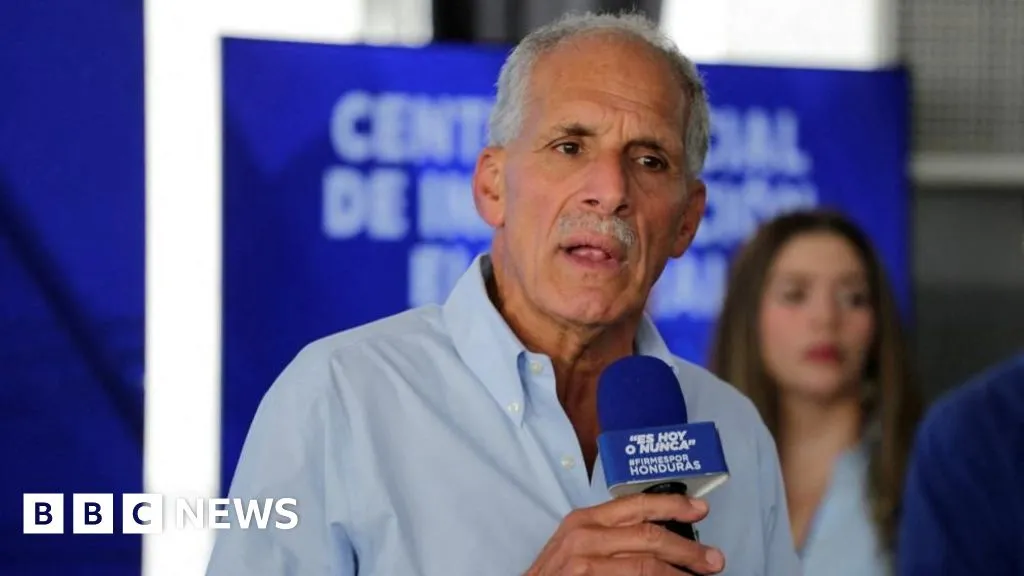
Nasry Asfura wins Honduras presidential election amid controversy, delays, and protests following technical issues and allegations of fraud.
elections, Honduras, Nasry Asfura, political transition, US influence, fraud allegations
Nasry Asfura Wins Honduras Presidential Election Amid Controversy
Nasry Asfura has emerged as the winner of Honduras’s presidential election following a protracted period of uncertainty, technical setbacks, and high tension.
The official results, released by the National Electoral Council (CNE), declared Asfura—candidate of the conservative National Party and backed by US President Donald Trump—the victor with 40.3% of the vote, narrowly ahead of Salvador Nasralla of the Liberal Party who received 39.5%.
International Reactions and Statements
Shortly after the announcement, Nasry Asfura confidently stated on X, “Honduras: I am ready to govern. I will not let you down.” Meanwhile, US Secretary of State Marco Rubio called on all parties to respect the result for a peaceful transition of power. He emphasized that the United States would “work with the incoming administration to advance bilateral and regional security cooperation” and highlighted the importance of ending illegal immigration to the United States while strengthening economic ties.
Disputes Surrounding the Election Result
Despite the official declaration, opposition voices have raised serious concerns. Luis Redondo, president of Honduras’s Congress, labeled the result “completely illegal.” Casting further doubt over the election, outgoing President Xiomara Castro accused external actors—including former President Trump—of “interference,” characterizing the situation as an “electoral coup.”
The progressive Libre party organized demonstrations throughout Tegucigalpa, protesting what they considered rampant fraud. Allegations of manipulation and “corrupt people” affecting the vote were also voiced by Nasralla, who asserted that Trump’s public endorsements had harmed his candidacy.
Delays and Technical Issues
Honduras presidential election was fraught with technical troubles. Voting occurred on November 30, but result tabulation experienced two significant delays due to what the CNE described as “inexcusable” technical outages. Ana Paola Hall, president of the CNE, attributed the delays to the private company responsible for vote tabulation, asserting that unsanctioned maintenance to the data system led to disruptions, including the crash of the real-time results portal.
The tight voting margin further complicated matters, with around 15% of tally sheets requiring manual counting. This tumultuous process fueled days of protests and unrest across Honduras.
US Influence and Political Maneuvering
The election took a dramatic turn when Donald Trump expressed strong support for Asfura, warning that “there would be hell to pay” if his narrow lead was overturned, and threatening to halt US financial support. In a further surprise, Trump pardoned Juan Orlando Hernandez, a National Party member and former president, previously serving a 45-year sentence in the United States for drug and weapons charges.
Outgoing President Castro was constitutionally unable to seek re-election, intensifying the contest’s stakes and spotlighting the broader dynamics of Honduran democracy. The tense aftermath and vocal opposition underline the deep divisions in the country post-election.
What Happens Next?
While the official result names Nasry Asfura as President of Honduras, the ongoing domestic and international scrutiny suggests that the political climate remains volatile. For a more detailed understanding of recent political turmoil, visit our dedicated Honduras Politics section.
For further information and reporting, consult the full article by BBC News.
Related reading: