
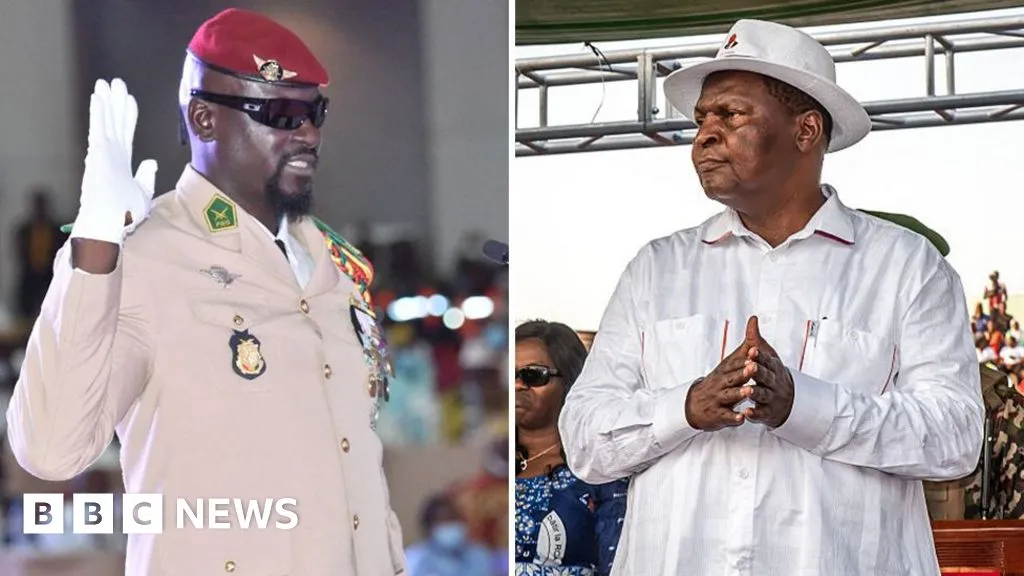
Elections in Guinea and the Central African Republic see strong incumbents, fragile democracies, and key regional impacts shaping Africa’s political future.
Guinea, Central African Republic, elections, Africa politics, Ecowas, Faustin-Archange Touadéra, Mamadi Doumbouya, democracy, coups, regional security
Elections in Guinea and Central African Republic: Contrasting Paths Amid Fragile Stability
By Paul Melly, West Africa analyst
Key Elections in Africa: A Turning Point?
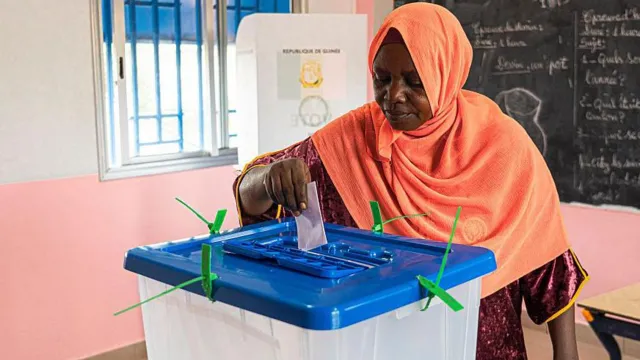
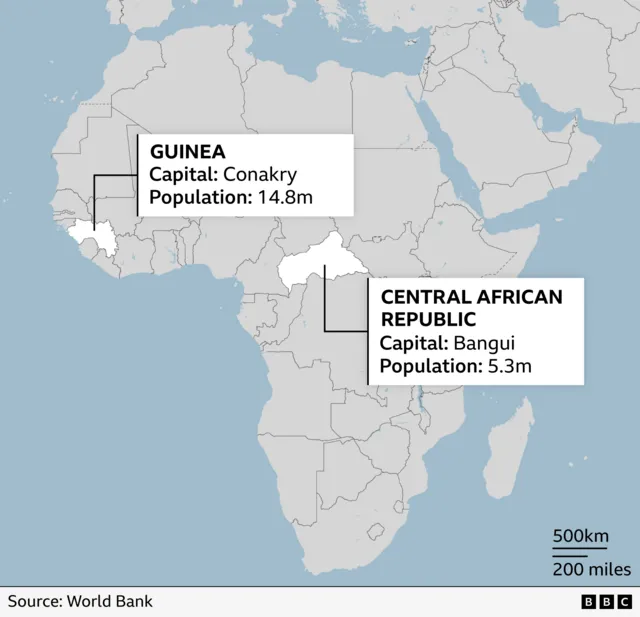
On Sunday, citizens of Guinea and the Central African Republic (CAR) head to the polls to elect presidents for seven-year terms. While run-offs are possible, the incumbents in both countries are favored to win outright, likely surpassing the 50% threshold needed to avoid second-round voting. Despite this similarity, each nation faces unique challenges and political dynamics.
The Central African Republic: Enduring Fragility and Hopes for Stability
The CAR is one of Africa’s poorest countries, beset by chronic instability. Numerous armed groups, driven by political ambitions and racketeering, have caused turmoil for decades. International interventions—by UN, French, and African peacekeepers—were crucial in preventing state collapse between 2013 and 2016.
The national government in Bangui often struggles to maintain control over distant northern and eastern regions. Yet, multi-party politics has persisted, and opposition and protest are generally tolerated. Significant rebel groups have begun disarming, contributing to a tentative sense of national identity.
Progress in Justice and Governance
The CAR has established a special court for human rights crimes staffed by national and international judges, signaling progress towards accountability and justice.
President Touadéra’s Third-Term Bid
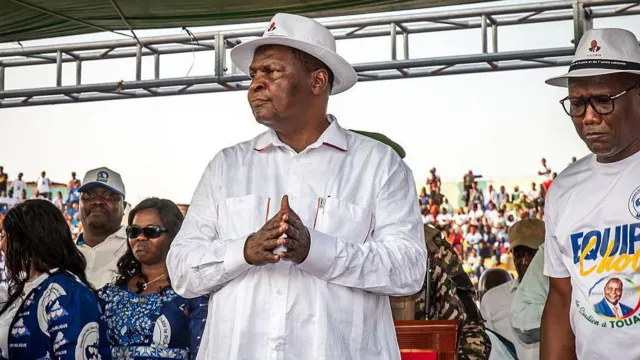
Faustin-Archange Touadéra, a mathematician and former university leader, originally entered politics as prime minister under François Bozizé. After years of unrest and a fragile transition, he was elected as a unifying figure. But as his second term ends, he has become increasingly partisan, pushing through constitutional reforms to abolish term limits and enabling a controversial third-term run. Although much of the opposition is boycotting the vote, prominent rival Anicet-Georges Dologuélé remains in the race. International actors including the UN, EU, and France maintain cautious support, focusing on long-term stability.
Guinea: From Coup Leader to Civilian President?
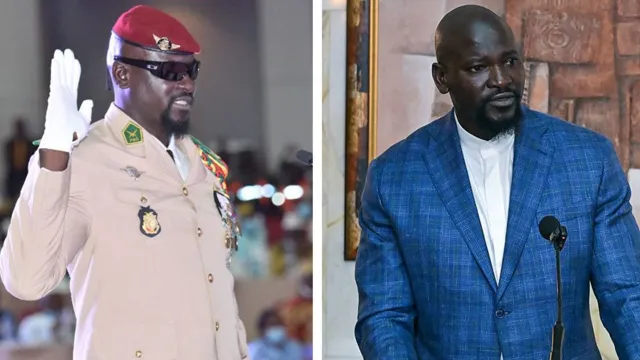
General Mamadi Doumbouya, leader of the 2021 coup that ousted Alpha Condé, is running for president amid limited competition. Though facing eight opponents, Doumbouya dominates the campaign, his image plastered across Conakry, Guinea’s capital. Prominent opposition leader Cellou Dalein Diallo—hugely popular among Peul voters—has been barred from contesting.
Political Climate and International Relations
Despite restrictions on political participation, an elected government’s return is a relief to Ecowas, the regional bloc aiming to promote stability and integration. This comes in the wake of coups in Mali, Burkina Faso, and Niger, leading to their withdrawal from Ecowas.
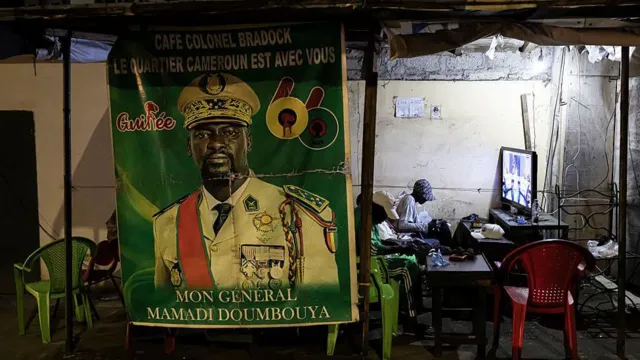
Doumbouya followed a methodical constitutional review, albeit slower than Ecowas desired. Instead of pivoting toward Russia like Mali or Burkina Faso, he preserved ties with France and Western nations, getting support from agencies such as the French Development Agency. His earlier move to fast-track trials for the 2009 stadium massacre (read more on the BBC) furthered his international credibility, even as rights abuses persisted during his rule.
Guinea’s continued participation in Ecowas and intention to restore elected government, despite a controversial process, is seen as a stabilizing factor for the region.
Learn more about the recent political changes in West Africa in our in-depth coverage.
Regional Impact and Future Prospects
Wider West Africa has endured a wave of coups and growing instability, typified by violent insurgencies and the attempted coup in Benin. In this context, both Guinea and the CAR are seen as making cautious, if imperfect, returns toward constitutional order. International partners continue to support these fragile democracies, keeping a pragmatic focus on stability over criticism, even as issues around human rights and democratic legitimacy persist.
Conclusion
The elections in Guinea and the Central African Republic highlight critical issues facing African democracy: fragile stability, strongman politics, the resilience of international alliances, and the shifting future of regional blocs like Ecowas. The outcome will signal much about the future direction of governance across a region striving for security and democratic progress amid enduring risks.
Source: Read the full story on BBC News