
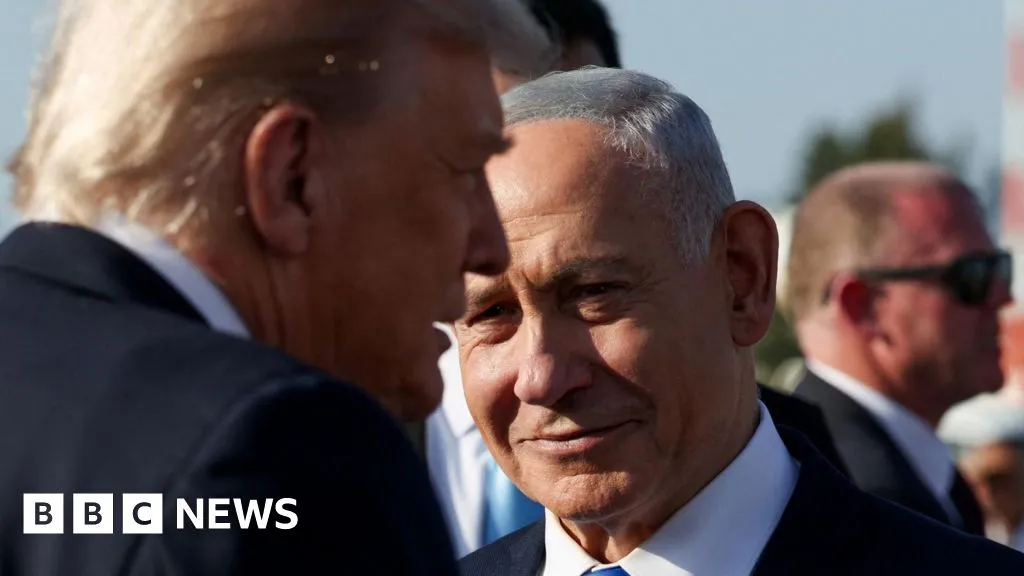
US President Donald Trump meets Israeli PM Netanyahu in Florida, focusing on the Middle East peace process, Gaza ceasefire, and pressing regional issues.
us politics, donald trump, benjamin netanyahu, gaza ceasefire, middle east, israel, palestine, iran, syria, hezbollah, international relations
Trump and Netanyahu Hold Talks Focused on Gaza Ceasefire and Middle East Peace
US President Donald Trump is set to turn his attention to the Middle East as he hosts Israeli Prime Minister Benjamin Netanyahu in Florida. The agenda includes highly significant topics such as the situation in Gaza, regional security, and prospects for peace.
Key Issues at the Trump-Netanyahu Meeting
This meeting, the sixth between the two leaders since Trump’s return to office 11 months ago, arrives at a pivotal time for the region. As the US remains Israel’s closest military and political ally, many observers see the talks as a critical test of their relationship and policy alignment on the Gaza ceasefire and wider Middle East strategy.
Main Topics of Discussion
- Progress of the ongoing Gaza ceasefire deal
- Future of Israel’s relationship with Syria’s new government
- Iranian rearmament and potential threats
- The influence of Hezbollah in Lebanon
- Establishing a Palestinian technocratic government
Humanitarian Crisis in Gaza
Amid ongoing storms in Gaza, hundreds of thousands of displaced Palestinians are forced to survive in makeshift tents, exposed to severe weather. Tragically, the death of a two-month-old baby was reported due to extreme cold, with more casualties linked to weather and building collapses since December.
According to the United Nations, and numerous aid agencies, Israel continues to face allegations that it is not fulfilling its ceasefire obligations, primarily by restricting humanitarian aid. Israel maintains it is facilitating increased deliveries of essential supplies.
Ceasefire Deal and Political Implications
The Trump administration is eager to see progress to the ceasefire’s second phase, which would include:
- Formation of a Palestinian technocratic government
- Deployment of an international security force
- The disarmament of Hamas
- Withdrawal of Israeli troops from Gaza
- Start of reconstruction in the devastated territory
However, some critics argue that Netanyahu may seek to delay these developments by insisting on Hamas’ full disarmament prior to any Israeli troop withdrawal, despite Hamas’s demand for parallel progress toward Palestinian statehood.
While Trump’s 20-point peace plan acknowledges Palestinian aspirations for a state, the Israeli government continues to reject such statehood proposals, even after signing onto the ceasefire deal in October.
Read our latest updates on the Gaza conflict
Deadly Impasse: Ongoing Violence Despite Ceasefire
Breaking the current stalemate is viewed as critical by regional and international actors. Since the ceasefire began, over 400 Palestinians have died in Israeli military operations in Gaza, as reported by the territory’s health ministry, even as Israel claims its actions respond only to violations of the ceasefire agreement.
Meanwhile, three Israeli soldiers have been killed in attacks the military links to Hamas. The return of Ran Gvili, the last deceased hostage held in Gaza, also remains unresolved—contravening the ceasefire’s conditions.
Regional Strategies and Potential Flashpoints
International Stabilisation Forces
Disagreement persists over which nations should participate in a proposed International Stabilisation Force for Gaza. Israel’s opposition to Turkish involvement has left options limited, while the need for stability is increasingly urgent.
Expanding Conflict: Iran and Military Action
Netanyahu is expected to seek US approval for new military actions against Iran, citing evidence that Iran is rearming after the recent war that targeted its nuclear facilities—actions jointly undertaken by Israeli and US forces.
This comes as Iranian President Masoud Pezeshkian warned of an “all-out war” with Israel, the US, and Europe, alleging foreign attempts to destabilize Iran.
For more background on the US-Iran relationship, visit this resource from the Council on Foreign Relations.
West Bank Annexation and Settlements
The Trump-Netanyahu meeting may also address Israel’s plans to expand settlements in the occupied West Bank—actions which, according to international law, are considered illegal. Israeli ministers describe these expansions as steps toward annexation, undermining any prospects for a future independent Palestinian state.
What Comes Next?
With tensions high across the Middle East and the humanitarian crisis in Gaza ongoing, the outcome of this meeting between Trump and Netanyahu could have significant and lasting impacts on the region’s pursuit of peace and stability.
For the latest news and more in-depth coverage, see the original source.