
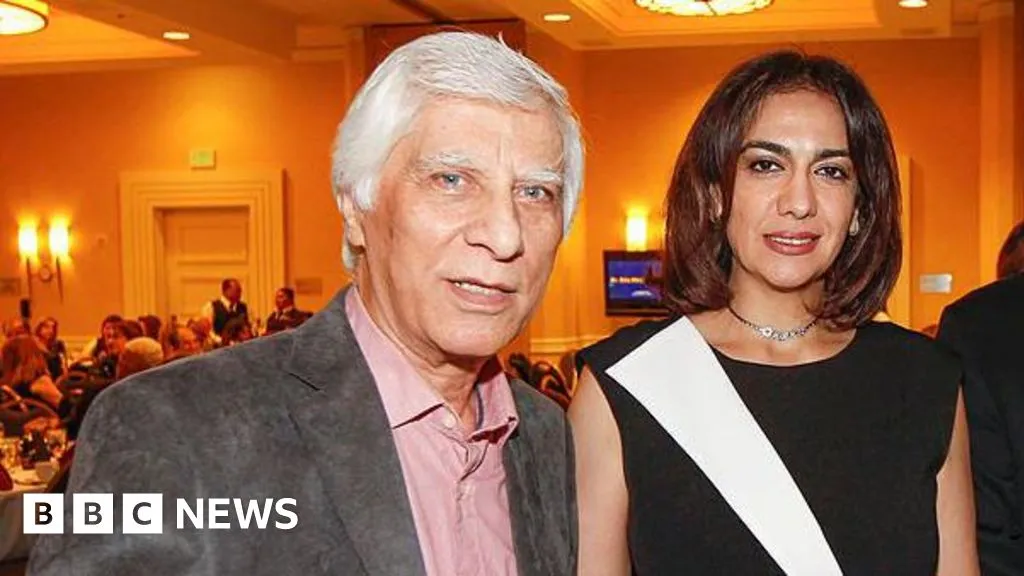
Remembering Bahram Beyzai: Tributes pour in for the legendary Iranian filmmaker and playwright, renowned for his impact on art and culture.
Iranian cinema, Bahram Beyzai, Iranian playwrights, film history, Bashu the Little Stranger, Iranian culture, Iranian Revolution, world cinema
Bahram Beyzai: Tributes Pour In For The Iranian Cinema Icon
The world is mourning the loss of Bahram Beyzai, an influential figure in Iranian cinema and theatre, who has died at the age of 87 in the United States.
A Cultural Giant Passes Away
Major Iranian newspapers featured Beyzai’s passing on their front pages, highlighting the profound impact he had on the nation’s art, regardless of political differences. Figures from both the opposition and those recalling the era of the Shah have offered heartfelt tributes.
Prince Reza Pahlavi, the exiled son of the last Shah of Iran, described Beyzai’s death as “a great loss for the art and culture of our country.”
Impact Across Political Divides
Despite facing bans during the 1980s under the Islamic regime that succeeded the Shah, Beyzai’s contribution to Iranian culture was recognized by high-ranking members of the current government, along with a wide range of the artistic community.
Inspiration for a New Generation
Several contemporary Iranian filmmakers openly acknowledge their debt to Beyzai. Acclaimed director Jaafar Panahi, whose latest film
won this year’s top prize at Cannes,
noted that Beyzai taught artists “how to stand up to oblivion.”
Creative Vision Beyond Politics
Bahram Beyzai was careful to avoid explicit political statements in his body of work, yet his plays and films often set historical or mythological characters in direct opposition to repressive regimes, both religious and political.
Born into a family of poets, Beyzai was steeped in the rich traditions of Persian culture from an early age. He rose to fame first as a playwright, drawing heavily from Persian mythology and ritual.
His love for cinema led him to filmmaking in the 1970s, positioning him as a prominent figure in the new wave of Iranian cinema—a movement known for its innovative storytelling and critical acclaim.
The Shah, The Revolution, and After
Beyzai‘s most productive years spanned both the reign of the Shah and the rise of the Islamic Republic, with both political systems scrutinizing his work for subversive themes. As Panahi eloquently stated, “Beyzai did not choose the easy way. He endured years of exclusion, imposed silence, and distance, but he did not give up his language and his beliefs.”
Bashu, the Little Stranger: A Timeless Masterpiece
Soon after the Iranian Revolution, Beyzai created his universally celebrated film,
Bashu, the Little Stranger, which follows a young boy seeking refuge from the Iran-Iraq war.
Although initially banned in Iran alongside his other contemporary films, Bashu, the Little Stranger was later voted by critics as the greatest Iranian film of all time. The film was recently showcased at the Venice Film Festival in a restored version and received an award for best film in the classics section.
Life Abroad and Lasting Legacy
In 2010, Bahram Beyzai left Iran for the United States, dedicating his final years to teaching Iranian culture. Despite spending his later life far from his homeland, his wife, actress Mozhdeh Shamsai, shared that even the mention of “Iran” could bring Beyzai to tears. Hopeful to the very end, he yearned for a brighter cultural future for his country.
To further explore influential figures in cinema and cultural history, visit our article on the New Wave of Iranian Cinema.
For a comprehensive overview of Bahram Beyzai‘s work and influence, refer to the Encyclopedia Britannica entry on Bahram Beyzai.