
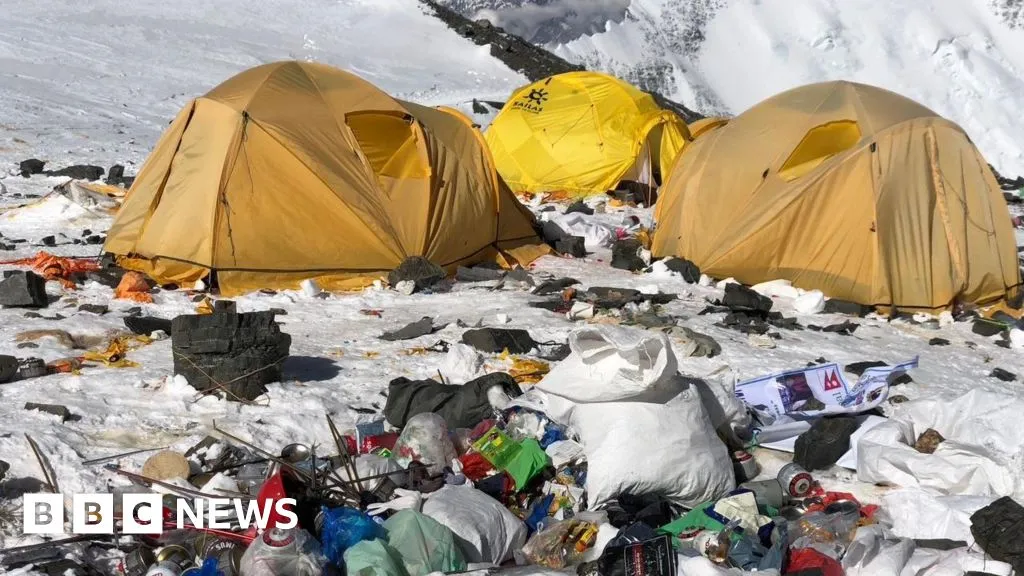
Nepal ends $4,000 waste deposit scheme for Everest climbers after 11 years, citing failure. A new non-refundable clean-up fee aims to tackle mountain trash.
Mount Everest, waste management, Nepal, clean-up scheme, tourism, environment, mountaineering, sustainability
Mount Everest Waste Deposit Scheme Ends: New Clean-Up Fee Introduced
By Navin Singh Khadka, Environment correspondent, BBC World Service
The Failure of the Mount Everest Waste Deposit Scheme
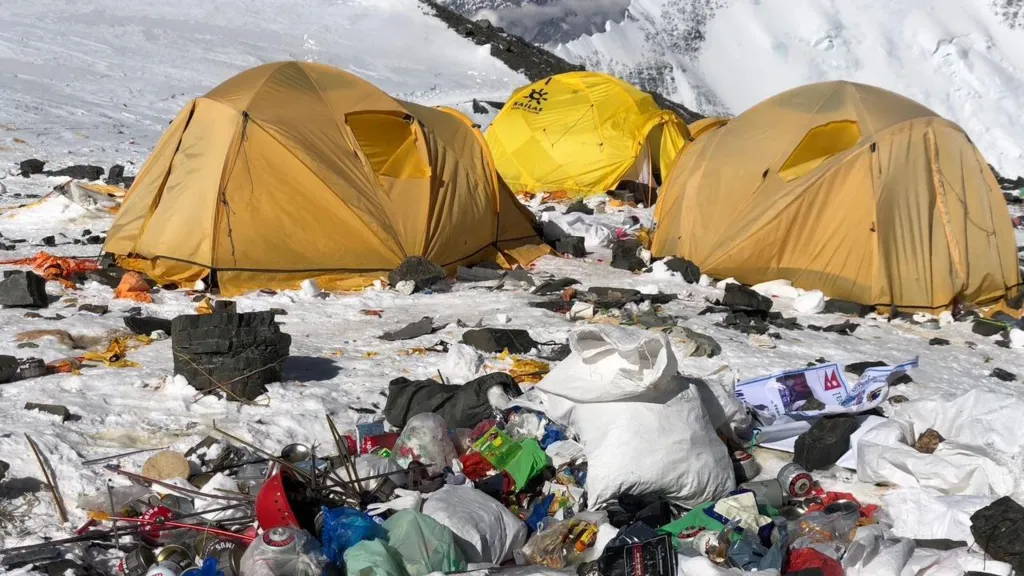
For over a decade, climbers aiming to conquer Mount Everest were required to pay a $4,000 (£2,964) deposit, refunded only if they brought down at least 8kg (18lbs) of waste. The plan was meant to reduce the estimated 50 tonnes of rubbish scattered across the world’s highest peak.
However, Nepalese authorities have announced the end of this scheme, describing it as a failure that “failed to show a tangible result” even after 11 years. The policy did not significantly reduce the amount of waste accumulating at higher elevations on Everest.
Why the Scheme Didn’t Work
Administrative Burden and Monitoring Challenges
According to Himal Gautam, director at the tourism department, the waste issue not only persisted but the deposit system itself became an administrative hassle. Although most deposits were refunded, meaning climbers met their minimum requirement, waste continued to pile up—especially at higher camps.
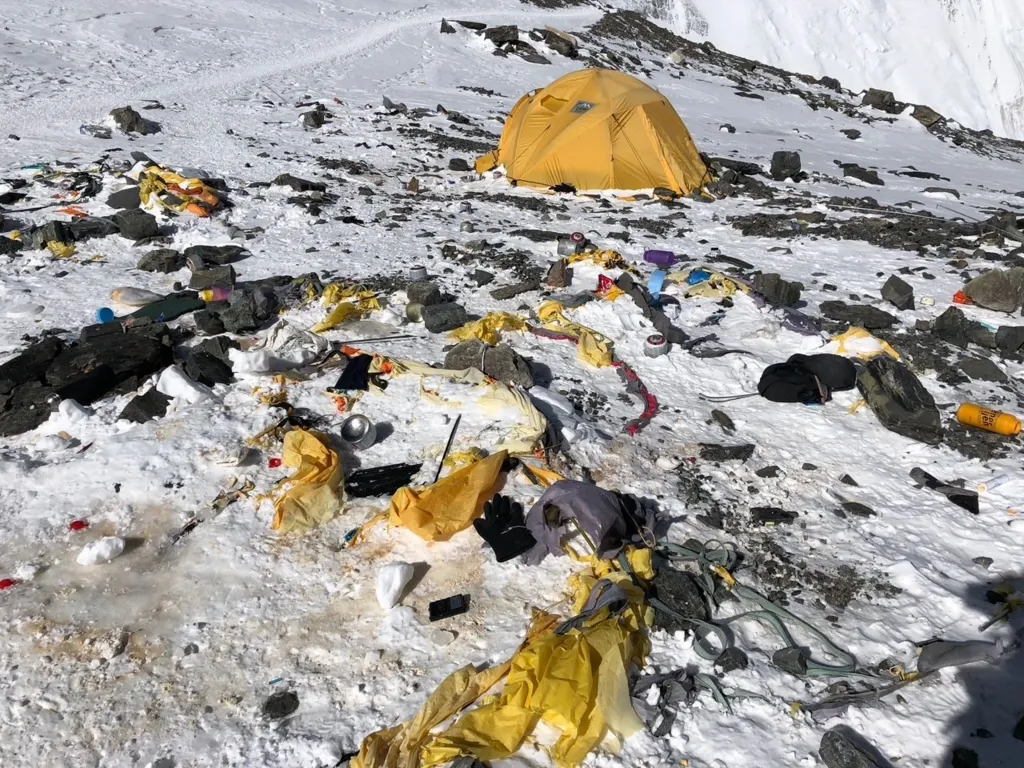
Tshering Sherpa, CEO of Sagarmatha Pollution Control Committee, stated that climbers typically retrieved oxygen bottles from higher camps due to their value, while tents, food cans, and packaging were left behind. He estimates that a climber generates up to 12kg (26lbs) of trash over a typical six-week expedition, much of which remains uncollected.
Lack of Effective Oversight
The main issue, according to local authorities, was a lack of monitoring. “Apart from the checkpoint above the Khumbu Icefall, there is no monitoring of what climbers are doing,” Sherpa noted.
For more information about environmental initiatives in the region, see our article on Everest Environmental Action Initiatives.
The Shift: Non-Refundable Clean-Up Fee and New Measures
The Nepalese government has proposed a new solution—a non-refundable clean-up fee, expected to be $4,000 per climber. This fund would establish a dedicated checkpoint at Camp Two and enable the deployment of mountain rangers to enforce clean-up regulations at higher altitudes.
Mingma Sherpa, chairperson of Pasang Lhamu rural municipality, said the Sherpa community had long advocated for such a fund. The deposit scheme, according to many, lacked enforcement and did not penalize those who failed to remove their trash from the mountain.
Implementing the Five-Year Mountain Clean-Up Plan
The new fee will be channeled into a recently launched five-year clean-up strategy for Everest and surrounding peaks. Jaynarayan Acarya, spokesperson for the Ministry of Tourism, emphasized the urgency of addressing the Mount Everest waste deposit scheme failure: “It is designed to immediately address the pressing problem of waste on our mountains.”
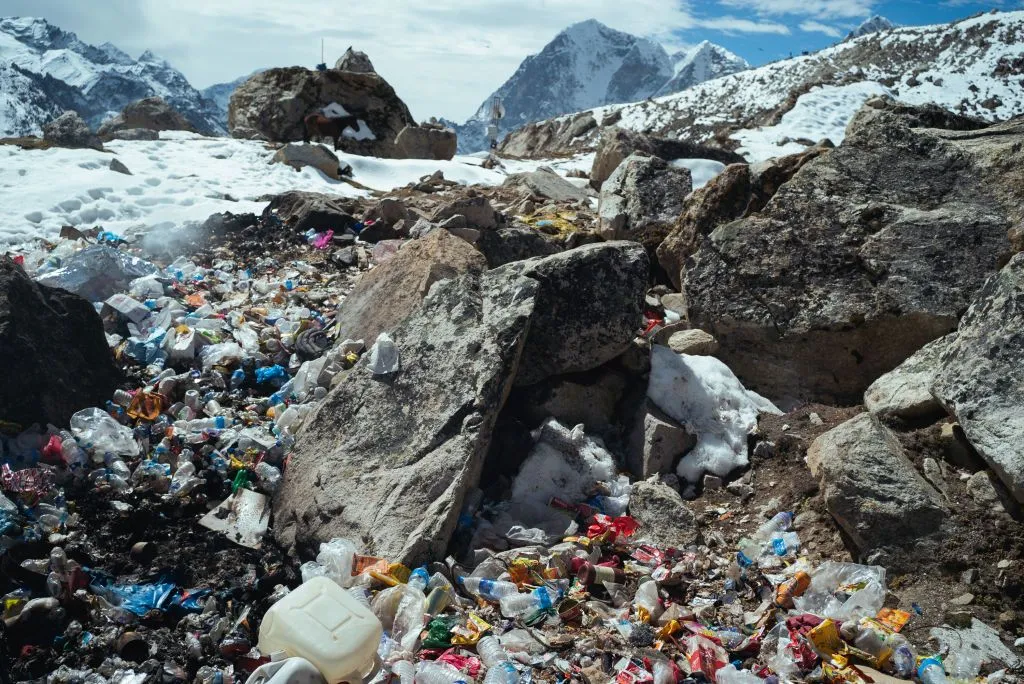
Human waste is also a concern, particularly at high altitudes where low temperatures prevent decomposition, raising environmental and health concerns. With over 400 climbers (plus support staff) each season, the impact continues to grow.
For a global perspective on mountaineering conservation efforts, visit the IUCN guidelines on sustainable high-mountain tourism.
Conclusion: Will the New Policy Tackle Everest’s Trash Problem?
The end of the Mount Everest waste deposit scheme marks a new era in managing the world’s tallest mountain. By shifting to a non-refundable clean-up fee and strengthening on-site enforcement, Nepal aims to make mountaineering on Everest more sustainable and preserve its pristine environment for future generations.