
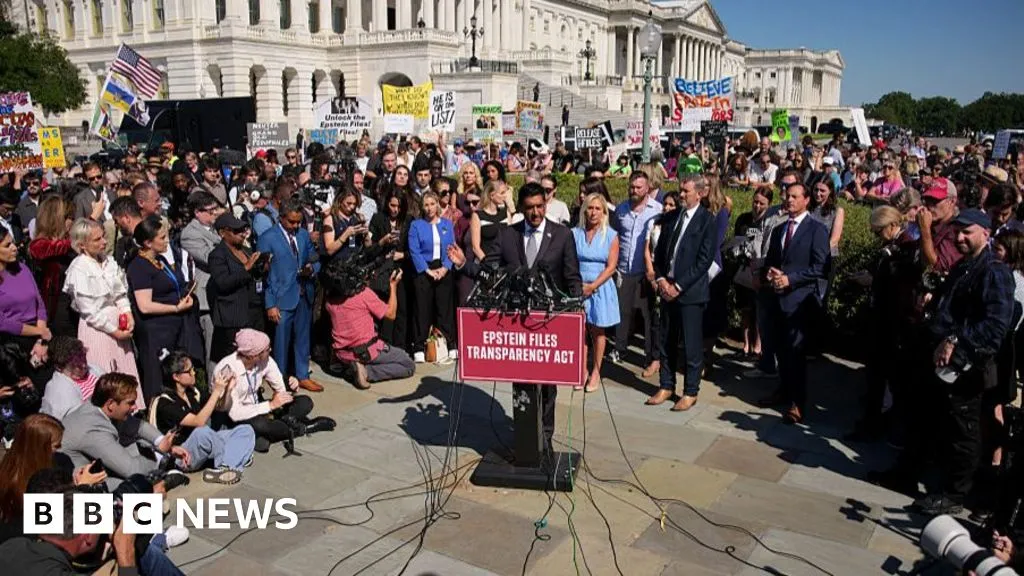
What’s in the latest Epstein files? Explore released images, documents, high-profile connections, and the controversy over DOJ’s handling and redactions.
Epstein Files, DOJ, redactions, sex crimes, Ghislane Maxwell, US politics, conspiracy theories, survivors, transparency, legal
Epstein Files Release: Unveiling the Documents, Images & High-Profile Connections
The Background: What Are the Epstein Files?
The recent disclosure of thousands of pages of documents connected to the late sex offender Jeffrey Epstein has provoked both anticipation and disappointment among the public and experts. Initiated by a congressional directive, the US Justice Department (DOJ) was compelled to make material tied to Epstein’s sex crimes public. However, the Epstein files have drawn criticism due to extensive redactions, and because not all related documents have been released.
What’s Actually in the Latest Epstein Files?
Images & Document Highlights
- Photos of Ghislaine Maxwell outside Downing Street.
- Allegations that Epstein introduced a 14-year-old girl to then-US President Donald Trump at Mar-a-Lago.
- Multiple images of former President Bill Clinton.
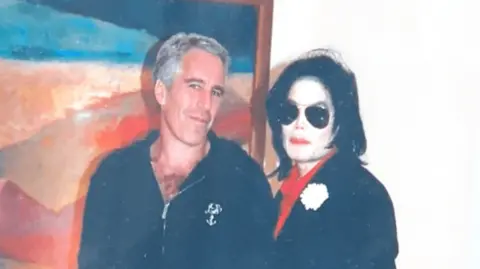
- Photos inside Epstein’s residences and his international travels with well-known celebrities, including Michael Jackson, Mick Jagger, Diana Ross, Andrew Mountbatten-Windsor, and Peter Mandelson.
It is crucial to note that being named or pictured in these newly released Epstein files does not imply any criminal activity or wrongdoing. Many individuals associated with Epstein have repeatedly denied any illegal conduct.
Redactions and Legal Justifications
Much of the frustration regarding the Epstein files stems from redactions. The DOJ explained that materials were redacted to:
- Protect victim identities and privacy, especially minors or individuals not charged with wrongful acts.
- Withhold any child sexual abuse or physical abuse images.
- Prevent release of data that could jeopardize ongoing investigations or compromise national security and foreign policy.
The DOJ has stated: “We are not redacting the names of any politicians unless they are a victim.” This move aims to counter theories that files are being censored for political reasons, but the scope of redactions has still raised public suspicion and fueled conspiracy theories.
Public and Legal Reactions
Legal experts like John Day have expressed surprise at the sheer volume of redaction, noting it could further enflame conspiracy theories regarding the Epstein files. DOJ is required to provide a detailed log of redacted items to Congress within 15 days.
According to US Attorney Jay Clayton, privacy interests necessitate redacting faces of women with Epstein if it’s impractical to confirm their status as victims or not—resulting in what some view as “over-redaction.”
Survivor and Lawmaker Perspectives
Survivors’ Concerns
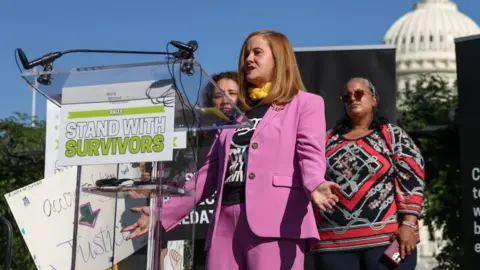
Epstein survivors, such as Liz Stein, accuse the DOJ of defying the spirit of the new law (Epstein Files Transparency Act). Many survivors demand full and unredacted transparency, fearing the slow, piecemeal release is not enough for public accountability.
Lawmakers Push Back
Congressional advocates for transparency, such as Ro Khanna and Thomas Massie, have called the DOJ’s response incomplete, suggesting future prosecution of DOJ officials may be considered for failing to disclose as required.
Political statement: The White House, referencing Donald Trump, declared the administration the “most transparent in history” and boasted of doing more for Epstein’s victims than Democrats.
Ongoing Questions and the Path Forward
As the debate over the Epstein files continues, the DOJ insists that no famous names are being redacted unless required by law. Deputy US Attorney Todd Blanche stated, “There’s no effort to hold anything back because there’s a famous name… we’re not redacting the names of famous men and women that are associated with Epstein.”
The conversation around these files has implications for transparency, survivor justice, legal process, and public trust in US institutions. To learn more about how the DOJ handles high-profile cases and transparency requirements, see our Legal Process Guide.