
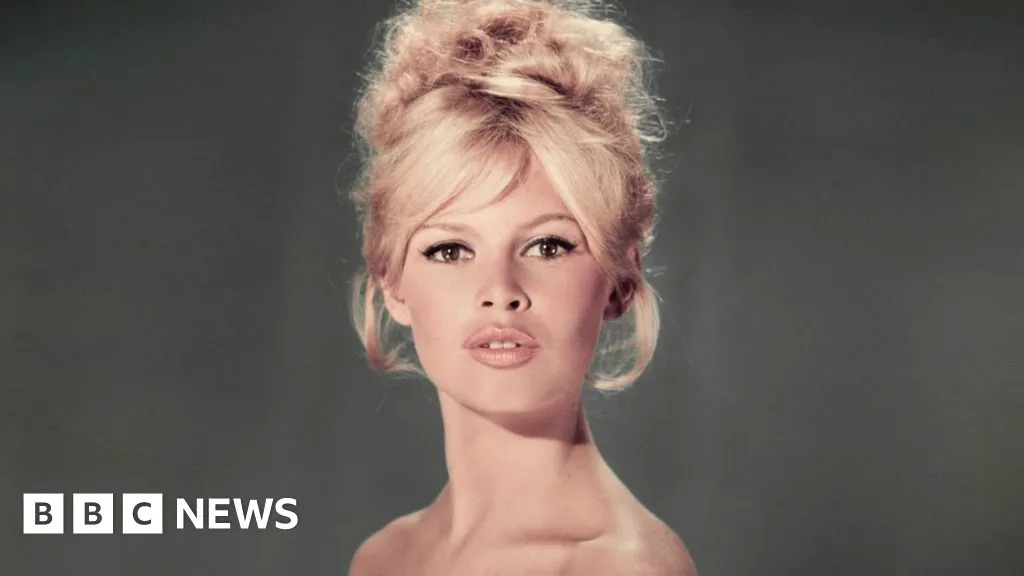
Explore the life and legacy of Brigitte Bardot, the French cinema icon, sex symbol, and animal rights activist. Discover her turbulent journey.
Brigitte Bardot, French cinema, animal rights, sex symbol, film history, celebrity biography, cultural icon, Roger Vadim, And God Created Woman
The Remarkable Life of Brigitte Bardot: French Cinema Icon and Animal Rights Activist
Breaking Barriers in Cinema
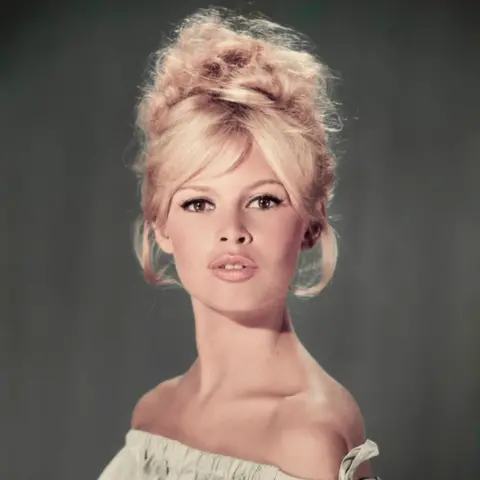
Brigitte Bardot, who has died at the age of 91, swept away cinema’s constrained 1950s’ ideals, coming to personify a new era of sexual liberation. On screen, she electrified audiences with a unique blend of charm and continental sensuality. Dubbed “the princess of pout and the countess of come hither,” Bardot grew to loathe her manufactured image, yet it helped catapult her—and French cinema—to international fame.
Ruthlessly marketed as a hedonistic sex symbol, Bardot’s ambition to become a seriously recognized actress was hindered by constant typecasting. Disillusioned, she eventually abandoned her film career and redirected her passion to animal welfare advocacy, founding her own foundation and reshaping her public persona.

Despite her achievements, Bardot’s legacy became complicated in later years as continued controversies and legal troubles arose, ultimately casting a long shadow over her earlier accomplishments.
Early Life and Family
Born Brigitte Anne-Marie Bardot in Paris on 28 September 1934, she was raised with her sister Marie-Jeanne in a privileged Parisian district. The girls were brought up by wealthy, pious Catholic parents who strictly monitored their upbringing and friendships. Early on, Bardot’s life was marked by discipline and high expectations, enforced by severe punishments for even minor infractions.

During the German occupation of Paris, much of Bardot’s childhood was spent at home, prompting her mother to channel her daughter’s energy into ballet. Excelling as a dancer at the Paris Conservatoire, she garnered awards and became viewed as an outstanding pupil. However, the cloistered existence left Bardot longing for personal fulfillment.
Rise to Fame: From Magazine Cover Girl to Movie Star
By age 15, Bardot sought a greater sense of self. After a family friend persuaded her to pose for the cover of Elle—France’s premier women’s magazine—her natural, unconventional look created a national sensation. Unlike fashionable women of the time, Bardot’s hair flowed freely and she exuded a fresh, athletic beauty, reshaping standards of fashion and femininity in postwar France.

Her popularity as a model led to her introduction into French cinema, catching the attention of director Marc Allégret who, with the help of his assistant Roger Vadim, brought Bardot to the world of film. Though her early screen tests were unsuccessful, Vadim became her mentor and, eventually, her fiancée, igniting a turbulent personal and professional partnership.
Love, Marriage, and Transformation
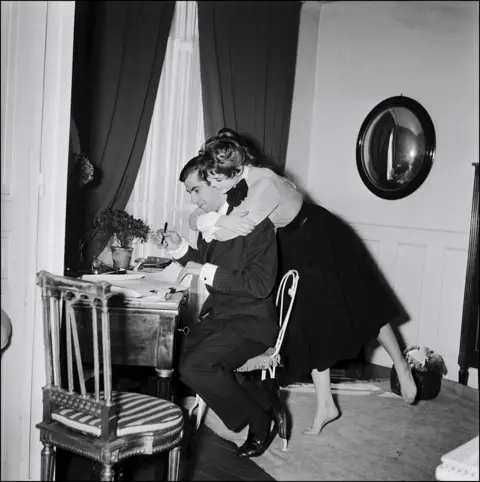
Their passion, however, was soon met with parental opposition, driving Bardot to a suicide attempt. Her parents backed down, permitting the marriage when she reached 18. Vadim then became instrumental in curating Bardot’s public image, arranging promotional photos and guiding her through a series of minor film roles, mostly playing innocent, alluring characters.
Breakthrough: And God Created Woman
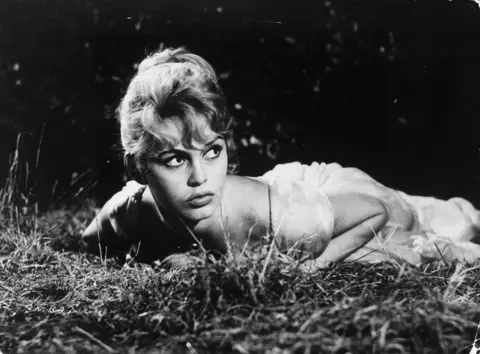
In 1956, Bardot took the lead in Vadim’s film And God Created Woman, which propelled her to international stardom. Though initially ignored in France, the movie caused a stir in the US for its frank display of female sexuality. Bardot’s uninhibited performance left American audiences, accustomed to Doris Day, stunned. Existentialist philosopher Simone de Beauvoir even hailed her as an icon of “absolute freedom,” elevating Bardot to philosophical—and cultural—icon status.
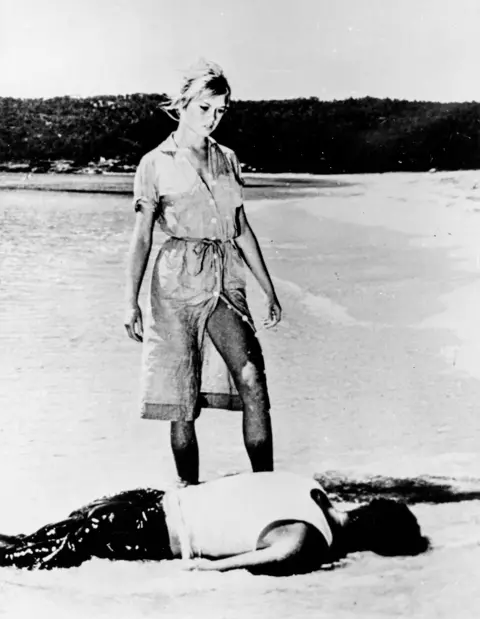
The film’s depiction of female desire and its challenge to conventional morality led to bans and moral outrage, but for many, Bardot became a symbol of unrestrained feminine freedom and allure.
A Reluctant Mother and International Star
Bardot’s turbulent personal life fueled both admiration and controversy. In 1959, she married actor Jacques Charrier. Their son, Nicolas, symbolized her struggles with motherhood—Bardot openly resented pregnancy, later leading to emotional distance and eventual estrangement. She described the experience with poignant detachment, further complicating her public image.
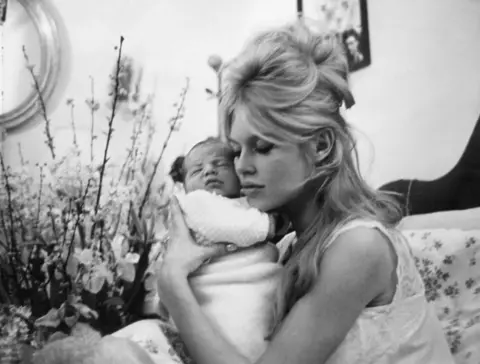
Despite professional highs, Bardot was often typecast, lamenting that her success demanded more of her looks than of her acting skill. However, her critical role in Jean-Luc Godard’s Le Mépris (Contempt) remains celebrated as a highlight of her acting prowess and her impact on European film.
The Legacy of Brigitte Bardot: Music, Fashion, and Activism
Bardot was not only a film star but also ventured into music, recording hits—most notably with Serge Gainsbourg, as in the provocative “Je T’aime… Moi Non Plus.” Though initially unreleased by Bardot’s request, the song became a European sensation when later recorded with Jane Birkin.
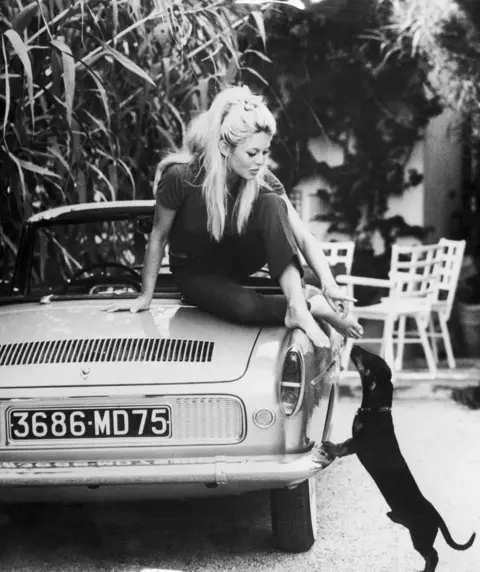
Animal Rights Activist
In 1973, Bardot retired from acting after nearly 50 films, choosing to devote her life to animal rights. Establishing the Brigitte Bardot Foundation, she auctioned personal memorabilia to fund animal welfare campaigns. Bardot became a fierce critic of animal cruelty worldwide, from protesting seal culling in Canada to advocating for better treatment of stray dogs in Europe. She also vocally opposed the fur trade, factory farming, and the use of animals for food in certain cultures.

Within her own country, her outspoken campaigns against eating horse meat and the fur trade were as iconic as her earlier film roles. Through her activism, she remained a prominent figure in French and international media, albeit with far more divisive views.

Controversy and Later Years
In the final decades of her life, Brigitte Bardot attracted notoriety for her inflammatory comments against Islam, Judaism, and the LGBTQ+ community, leading to repeated prosecutions and fines for inciting racial hatred. Her statements resulted in strained public and family relationships, with her son suing for emotional damages and French prosecutors lamenting the frequency of her court appearances.
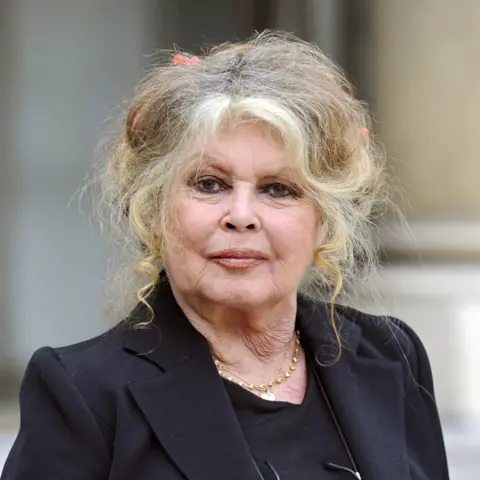
Despite her troubled later years, it is impossible to ignore Bardot’s impact on popular culture—both as a symbol of female liberation and as an outspoken, sometimes divisive, public figure.
Legacy and Influence
In the 1960s, Bardot’s image was even used as the face of Marianne, a national symbol of French liberty, signifying her status as a modern, emancipated woman and global icon. Her decision to leave show business for animal activism was seen by many as yet further proof of her fiercely independent spirit.
Bardot’s legacy is undeniably complex: she challenged societal norms, blazed trails for liberated women in the arts, then overshadowed her achievements with scandal and provocation. Through all, she remained a singular, indelible figure in the story of French and global culture.
Learn More
- Visit the Brigitte Bardot Foundation for more about her animal protection work.
- Read our in-depth look at French New Wave Cinema to discover Bardot’s influence on the movement and her collaboration with Jean-Luc Godard.
- See the Encyclopaedia Britannica: Brigitte Bardot for a comprehensive biography.