
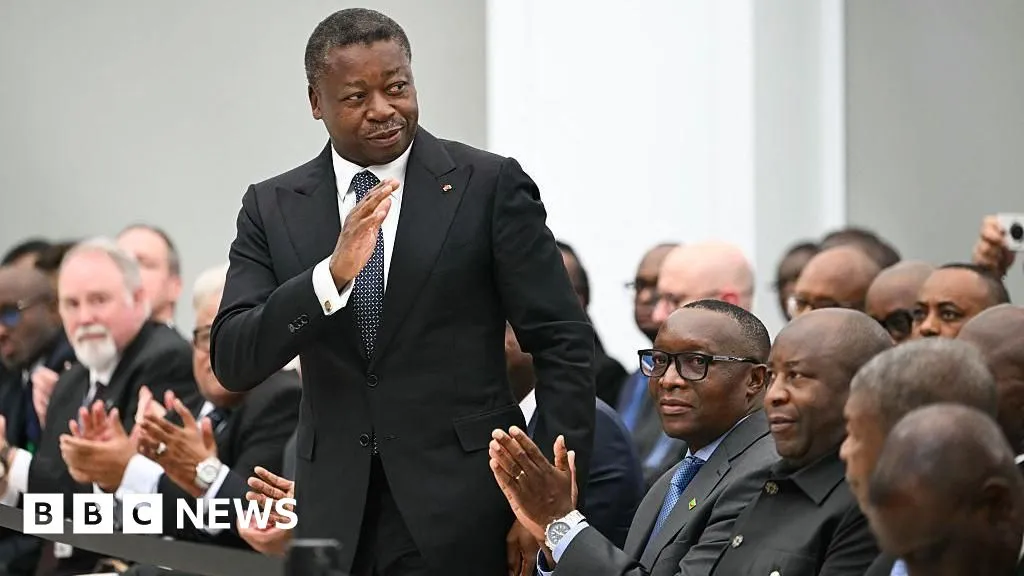
Togo’s diplomatic balancing act: how President Faure Gnassingbé builds ties with both France and Russia while maintaining influence in West Africa.
Togo, Faure Gnassingbé, West Africa, France, Russia, Ecowas, Sahel, politics, international relations
Togo’s Diplomatic Balancing Act: France, Russia, and Regional Power
By Paul Melly, West Africa analyst

Introduction: Togo’s Strategy in a Divided West Africa
As some West African nations deepen ties with historic allies like France, and others turn to new partners such as Russia, Togo’s diplomatic balancing act stands out. Under President Faure Gnassingbé, Togo cultivates relations with diverse—sometimes rival—international actors to maximize its leverage on the African continent.
Togo’s Role in Regional Tensions
The Togo diplomatic balancing act was spotlighted during the December 7th attempted coup in neighboring Benin. Lt Col Pascal Tigri, leader of the failed coup, reportedly escaped into Togo’s territory before finding safe haven elsewhere, possibly in Burkina Faso or Niger. Togo’s opaque involvement typifies a regime skilled at extracting maximum diplomatic value from ambiguous situations.
Although relations between Togo and Benin are cool, both remain part of the Economic Community of West African States (Ecowas). President Gnassingbé judiciously avoids openly supporting coups or sheltering dissidents, even as he maintains cordial ties with leaders in the Sahel, specifically Burkina Faso, Niger, and Mali—countries that exited Ecowas in early 2024.
Strategic Relationships: France and Russia
Traditional and Emerging Partners
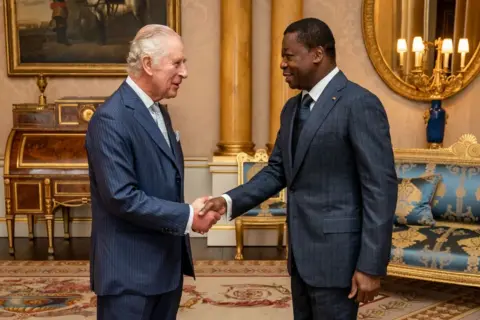
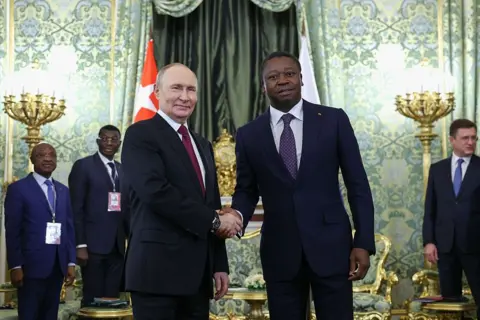
Historically, France has been Togo’s principal ally. This connection was reaffirmed at the October 2023 meeting in Paris, where President Emmanuel Macron welcomed Gnassingbé to the Élysée Palace. Yet, just weeks later, Gnassingbé was in Moscow, inking a defence deal with President Vladimir Putin. This high-profile visit led to a military partnership and allowed Russian ships access to the modern port of Lomé—a vital gateway for the region’s landlocked states.
The Togo diplomatic balancing act does not mean breaking away from the West. Rather, it is an intentional diversification of alliances. Beyond military cooperation with Russia and France, Togo recently joined the Commonwealth, broadening its international ties alongside membership in the International Francophonie Organisation (IOF).
Lomé as a Regional Economic and Diplomatic Hub
Togo’s diplomatic balancing act is rooted in its economic strategy. Lomé is a major freight, logistics, and travel hub, with a deepwater port and a strategic location along the Lagos-Abidjan route—a priority development corridor for Ecowas. It is home to key regional financial institutions, and its connections foster both economic and diplomatic flexibility.
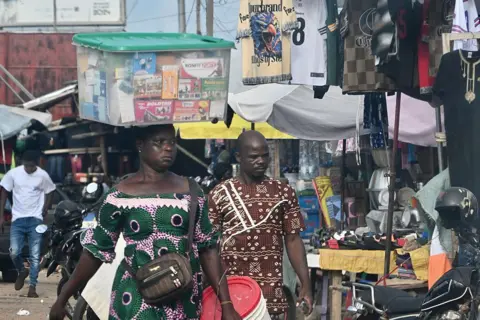
Rural poverty persists, but the country’s diversified connections broaden its economic foundation and international reach.
Domestic Politics and Constitutional Change
The government’s international overtures are closely linked to changes in Togo’s domestic political structure. In 2024, a constitutional reform transformed the presidency into a ceremonial post and granted executive power to a new role—the “president of the council”—effectively allowing Gnassingbé to maintain his grip on power indefinitely, since this post has no term limit. Learn more about these constitutional changes.
The reforms, while controversial, cemented the ruling party’s dominance and largely silenced dissent through a swift crackdown on protestors, opposition figures, and journalists. Critics claim these changes undermine democracy and threaten human rights in Togo, concerns echoed by the European Parliament.
Continuing Discontent and Western Criticism
Individuals deemed even remotely involved in protests are detained, while prominent critics and journalists face threats and harassment. The government deflects criticism by accusing its opponents of violence and foreign manipulation. Still, mounting Western and domestic criticism have led to discussions about releasing political prisoners, suggesting internal pressures persist despite international maneuvering.
Conclusion: The Limits of International Diversification
President Gnassingbé’s diplomatic balancing act grants him leverage abroad and helps resist external pressure. However, the approach does not erase the risk of domestic unrest. Sustainable stability in Togo will ultimately depend on reconciling international strategy with internal political reforms and respect for human rights.
Further Reading
- How Togo rewrote its constitution—and the consequences for democracy
- Council on Foreign Relations: West Africa’s Military Coups and Ecowas