
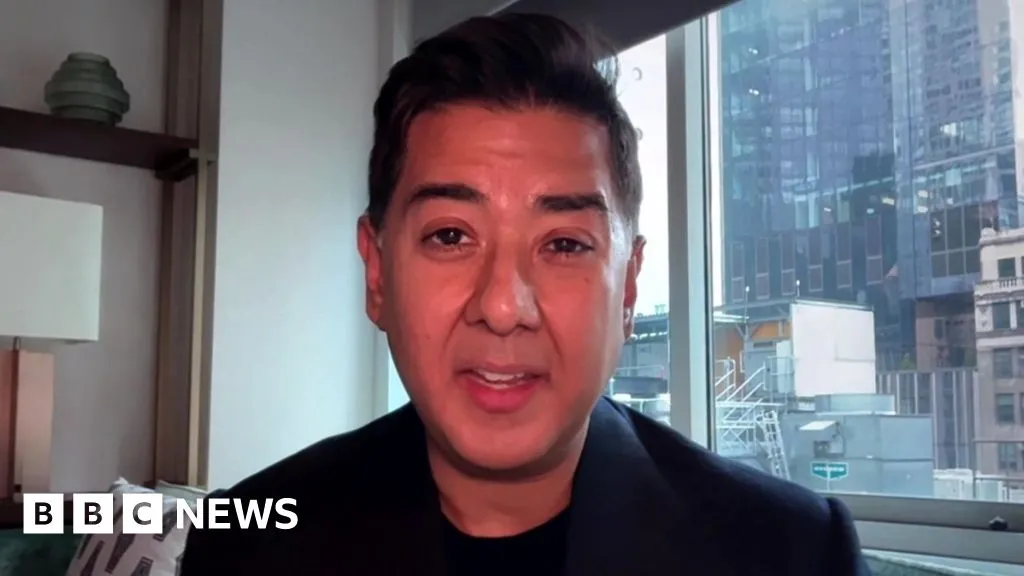
US judge blocks detention of Imran Ahmed after US visa row, sparking debate on free speech, tech giants, and digital hate monitoring.
imran ahmed, us visa, center for countering digital hate, free speech, digital hate, social media, deportation, tech platforms
Imran Ahmed Granted Temporary Reprieve from Detention in US Visa Controversy
In a significant development, a US judge has temporarily blocked the detention of British social media campaigner Imran Ahmed, following a legal dispute after his US visa was revoked. The case highlights the ongoing conflict over free speech, digital hate monitoring, and the influence of major tech platforms.
Background: Imran Ahmed and the Center for Countering Digital Hate
Imran Ahmed, the founder of the Center for Countering Digital Hate (CCDH), was among five individuals recently denied US visas. The Trump administration accused them of seeking to pressure tech companies into censoring certain viewpoints online. This move prompted a strong backlash from European leaders who defended organizations engaged in monitoring online content.
Personal Stakes for Ahmed
As a US permanent resident, Mr Ahmed faced the risk of detention and deportation, potentially separating him from his American wife and young child. Expressing relief after the court’s decision, Ahmed stated he would not be “bullied” away from his advocacy work.
Legal Battle and Judicial Intervention
The decision to sanction Ahmed was made public by Secretary of State Marco Rubio, who argued that the individuals involved had organized efforts to punish US viewpoints. In response, Ahmed filed a complaint against multiple officials, including Rubio and US Attorney General Pamela Bondi.
US District Judge Vernon S. Broderick granted a temporary restraining order, preventing officials from detaining Ahmed until his case receives a full hearing. This judicial intervention was praised by Ahmed’s lawyer, Roberta Kaplan, who highlighted the constitutional implications of targeting a green card holder over his public advocacy.
Implications for Free Speech and Digital Accountability
The controversy comes amid heightened tensions over the role of tech companies and activists in policing online speech. In 2023, Ahmed’s CCDH was sued by Elon Musk’s social media company (now X) after the organization reported a surge in hate speech following the platform’s ownership change. Although the case was dismissed, an appeal is still pending, keeping the debate at the forefront of digital policy discourse.
Ahmed’s Commitment to Advocacy
Speaking to the BBC, Ahmed reiterated his determination to continue fighting against online hate and antisemitism. He emphasized that his group works with both Republican and Democratic administrations and suggested that recent actions against him may have been influenced by powerful tech companies uncomfortable with increased scrutiny.
Broader Debate and Official Response
- A state department spokesperson cited US law, stating the country is not obligated to admit or allow residency for foreign nationals.
- Ahmed remains committed to his mission of keeping children safe from online harm.
- The speed of the judge’s order underscored the seriousness of the constitutional questions raised.
For Further Reading
- BBC article on Imran Ahmed’s case
- Statement from Secretary Marco Rubio
- Learn more about free speech rights in the US
- First Amendment resources (Cornell Law School)
Conclusion
The provisional ruling in favor of Imran Ahmed highlights ongoing legal and ethical debates at the intersection of immigration, digital accountability, and freedom of speech. As appeals and further litigation proceed, the case is likely to set precedents affecting activists, tech companies, and policymakers alike.