
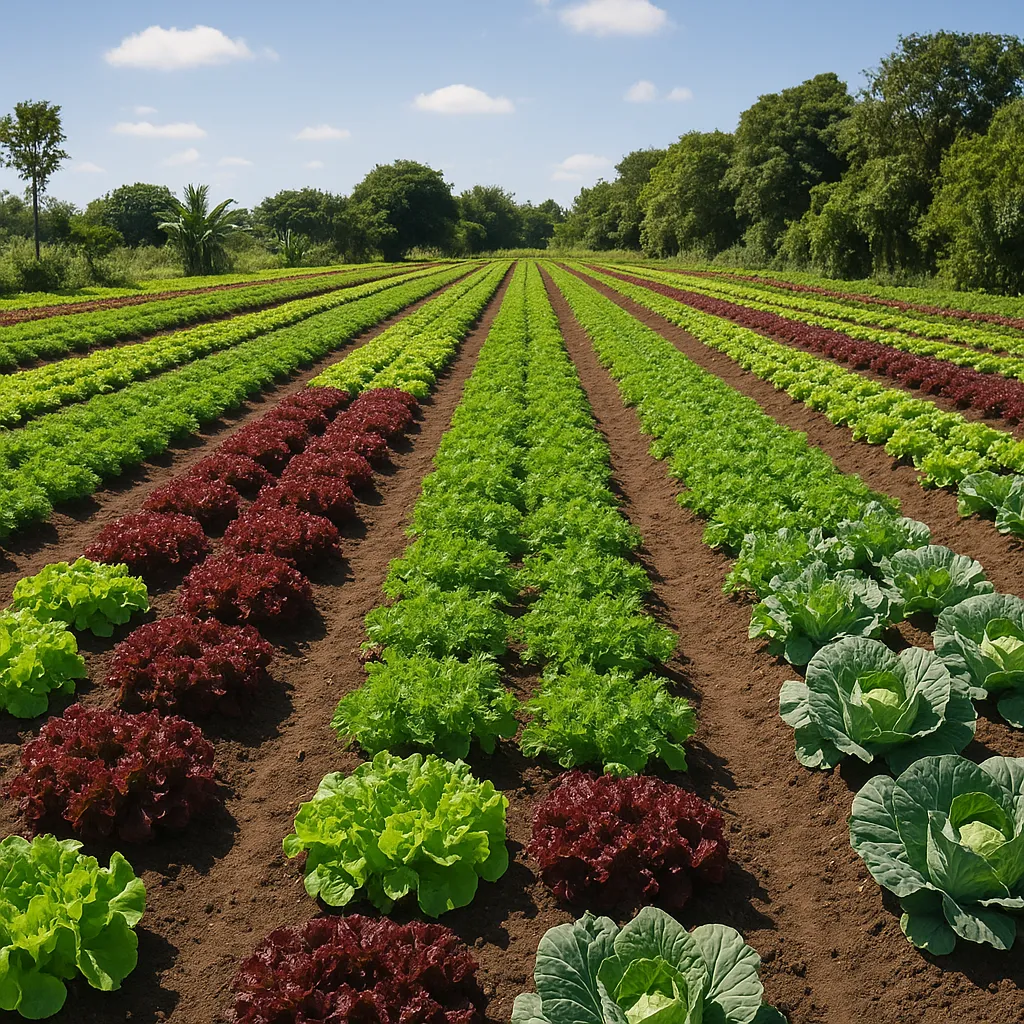
The 10-Times-Faster Soil Booster That Makes Slow Composting Obsolete
Composting has long been regarded as the gardener’s golden rule, yet an innovative “fermented fertilizer” method is quietly outpacing the traditional heap. By sealing kitchen scraps, weeds and carbon sources in airtight containers, fermented fertilizer preserves more nutrients and transforms raw waste into a probiotic plant tonic in as little as two weeks—around ten times faster than compost. In this in-depth guide, we unpack the science presented in Growth Hub Central’s popular video “Why I Ferment Instead of Composting,” explore proven recipes, and offer practical steps so you can start brewing living liquid gold for your own beds, pots and lawns. Read on to learn how fermentation can slash waiting times, super-charge soil biology, and keep valuable minerals tightly locked inside your garden ecosystem.
The Science Behind Fermentation and Why It Beats Conventional Compost
Microbial Dynamics: Anaerobic vs. Aerobic
Traditional composting relies on aerobic microorganisms that require constant oxygen, moisture balance and periodic turning. If any of these variables fall out of range, the pile cools or turns slimy and nutrient losses skyrocket. Fermentation, by contrast, embraces facultative anaerobes such as Lactobacillus. These microbes thrive without oxygen, producing organic acids that preserve nitrogen, potassium and micronutrients in a stable, water-soluble form. Because the material is sealed, gases escape through a one-way valve, preventing the carbon dioxide and ammonia from dispersing into the air. That containment translates directly into richer liquid fertilizer for plants.
Nutrient Conservation and Speed
Research from the University of Hohenheim shows that conventional compost can lose up to 50 % of initial nitrogen through volatilization, whereas fermented scraps retain nearly 90 %. Growth Hub Central’s own side-by-side trial echoed these figures: lettuce fertilized with fermented extract grew 22 % taller in only four weeks. The biochemical explanation is simple—fermentation pre-digests organic matter into amino acids, peptides and fulvic compounds that plants can absorb immediately, eliminating the lengthy humification phase needed in composting.
Key Insight: Because oxygen is largely excluded, fermentation converts sugars into lactic acid, dropping pH to 3.5–4.2. This acidic environment halts pathogens while preserving delicate minerals such as boron and zinc that normally oxidize in a hot compost pile.
Materials You Can Ferment at Home for Maximum Nutrient Diversity
Kitchen Scraps Rich in Carbohydrates
Peels from bananas, apples, pumpkins and melons supply the simple sugars Lactobacillus needs to kick-start fermentation. Citrus can be included in moderation, but because its limonene oils slow bacterial growth, limit total citrus volume to 10 % of your bucket.
High-Nitrogen Garden Waste
Fresh grass clippings, comfrey leaves, and young chickweed deliver readily soluble nitrogen. In the Growth Hub Central recipe, two packed liters of greens are mixed with four liters of carbohydrate scraps to achieve a 1:2 nitrogen-to-sugar ratio, a sweet spot for microbial vigor.
Carbon and Mineral Sources
Shredded cardboard or rice hulls absorb excess moisture and supply carbon skeletons. For a mineral punch, the host adds one tablespoon of azomite rock dust per kilogram of wet material, boosting the final tea’s trace elements.
Caution: Avoid large bones, oils and meat—these create foul odors and encourage undesirable bacteria during the sealed phase.
Link: Why I Ferment Instead of Composting | The Secret Fertilizer That Works 10X Faster
Step-by-Step Guide: Crafting Your Own Fermented Fertilizer
1. Preparing the Mix
Weigh out 5 kg of chopped kitchen and garden waste. Dissolve 150 g of raw cane sugar and 100 ml of unsulfured molasses in 500 ml of lukewarm, chlorine-free water. Pour the sweet solution over the chopped material in a 20-liter bucket.
2. Inoculating With Beneficial Microbes
Add 200 ml of yogurt whey, kefir or store-bought LAB (lactic acid bacteria) serum. Stir thoroughly, pressing the mixture down so no air pockets remain.
3. Sealing and Fermenting
Place a weighted plate or zip-top bag filled with water on top of the material to keep it submerged. Seal with a lid fitted with an airlock or rubber grommet so gas can escape. Label with the date and store the bucket at 20–28 °C (68–82 °F) for 14 days. Gas bubbles and a mild sour aroma indicate active fermentation.
4. Harvesting the Liquid and Solid Phases
After two weeks, strain the liquid—this is your concentrated plant tonic. The solids, now half their original volume, can be buried as a slow-release amendment. Dilute the liquid at 1 : 100 for seedlings or 1 : 50 for established plants.
Shortcut: If you lack an airlock lid, punch a pin-sized hole in the bucket top and tape a balloon over it. The balloon inflates as CO2 is produced, acting as a simple one-way valve.
Fermentation vs. Compost vs. Synthetic Fertilizer: A Quick Comparison
| Characteristic | Fermented Fertilizer | Traditional Compost | Synthetic N-P-K |
|---|---|---|---|
| Processing Time | 14–21 days | 60–180 days | Instant |
| Nitrogen Retention | ≈ 90 % | ≈ 50 % | 100 % |
| Microbial Diversity | High LAB & yeast | High fungi & actinomycetes | None |
| Space Required | Airtight bucket | 1 m3 pile | Storage bag |
| Odor Level | Mild sour | Earthy to rotten if mismanaged | Chemical |
| Environmental Impact | Low GHG loss | Moderate GHG loss | High energy input |
| Cost | Near-zero | Near-zero | Moderate to high |
Application Techniques: Getting the Most From Your Fermentation Efforts
Soil Drench for Established Beds
Mix one liter of concentrated ferment with 50 liters of water and apply evenly over 10 m2. This supplies roughly 35 ppm soluble nitrogen—adequate for heavy feeders like tomatoes. Follow with a light watering to move nutrients into the root zone.
Foliar Spray for Rapid Green-Up
At dusk, mist leaves with a 1 : 100 dilution. The lactic acid lowers leaf surface pH, hindering powdery mildew while amino acids enter through stomata. Two foliar sprays per month led to a 30 % yield increase in Growth Hub Central’s pepper trial.
Seedling Boost in Containers
For seedlings, the host recommends 10 ml ferment per liter of water every 10 days. Root exudates quickly attract rhizobacteria, shortening transplant shock by nearly half compared to plain water controls.
“Fermented inputs deliver nutrients in a pre-digested form, making them instantly bio-available. This is the future of regenerative fertility.”
– Dr. Elaine Ingham, Soil Microbiologist
Real-World Success Stories: From Urban Balconies to Market Gardens
Urban Lettuce Trial
A balcony grower in Barcelona replaced synthetic 20-20-20 with fermented fertilizer on 12 containers of romaine. Leaves reached harvest size in 28 days versus 34 days in the control group, with no tip burn observed.
Small-Scale Orchard Revitalization
In Georgia, USA, an aging peach orchard had chronic copper deficiency. After three quarterly drenches of fermented fertilizer enriched with seaweed extract, leaf analysis showed copper levels rising from 3 ppm to 8 ppm, well within optimal range.
Market Garden Profit Boost
Growth Hub Central tracked their own yield books: switching two 25 m beds of cucumbers from compost top-dress to fortnightly fermented tea increased marketable fruit weight by 17 kg, translating to an additional $85 per bed over an eight-week harvest window.
- Less fertilizer waste
- Improved flavor due to balanced micronutrients
- Better drought tolerance after four applications
- Reduced blossom end rot in tomatoes
- Higher microbial counts in soil tests
Troubleshooting, Safety and Storage
Common Odor Problems
If your bucket smells putrid rather than pleasantly sour, oxygen has likely entered. Stir the mix, press it down, add an extra 50 g of sugar and reseal firmly.
Mold or Kahm Yeast on the Surface
White film is often harmless kahm yeast. Skim it off and continue. Black or fuzzy mold indicates contamination; discard the batch safely in a compost pile and start fresh.
Shelf Life of the Liquid Concentrate
Stored in dark glass bottles with airtight lids, the filtered liquid keeps six months at 15–20 °C. Refrigeration can extend life to one year, but always burp bottles weekly to release built-up CO2.
- Keep buckets in shade to avoid overheating.
- Use non-chlorinated water for dilutions.
- Label each batch with date and ingredients.
- Wear gloves when handling concentrated liquid.
- Do not apply to foliage under strong sun.
- Rinse sprayer immediately after use.
- Test new dilutions on one plant before mass application.
Frequently Asked Questions
1. Can I ferment during winter?
Yes, but microbial activity slows below 15 °C. Move buckets indoors or wrap them with an old heating pad set to low. Expect fermentation to finish in four weeks instead of two.
2. Will fermented fertilizer acidify my soil?
The concentrate is acidic, yet once diluted and applied, soil’s buffering capacity neutralizes excess acids quickly. Long-term trials show no significant pH drift.
3. Can I combine fermented fertilizer with conventional compost tea?
Absolutely. Many growers brew compost tea for aerobic microbes and then spike it with 5 % fermented concentrate to add organic acids and trace minerals.
4. What if I see maggots in my bucket?
Maggots appear only if the lid is loose. Remove the solids, rebatch under better sealing, and use a fine mesh to exclude flies.
5. How often should I apply the fertilizer during the growing season?
For heavy feeders, drench every 14 days. Light feeders need only monthly treatments. Foliar sprays can be used biweekly at low concentrations.
6. Is fermented fertilizer safe for hydroponics?
It contains particulate matter that can clog drip emitters. Filter through a 50-micron bag and start at 0.5 ml L-1 to monitor EC rise.
7. Does fermentation kill weed seeds present in the scraps?
The low pH and lack of oxygen neutralize most seeds, but to be safe, strain solids well and avoid spreading them on seedling beds.
Conclusion: Fast-Track Your Soil Health With Fermentation
Switching from slow, nutrient-leaching compost heaps to sealed fermented fertilizer delivers on six fronts:
- 10× faster processing time
- Higher nitrogen conservation and immediate availability
- Smaller footprint—just a lidded bucket
- Richer microbial inoculation for soil vitality
- Fewer greenhouse gas emissions
- Documented yield increases across diverse crops
Ready to brew your first batch? Gather some kitchen scraps, sugar and a sealable container, follow the step-by-step method above, and watch your garden respond within days—not months. For more deep-dive tutorials, success stories and troubleshooting tips, subscribe to Growth Hub Central on YouTube, share the video with fellow green thumbs, and join the movement toward faster, smarter and more sustainable gardening.
You may also like:
- France teacher fighting for life after knife attack by pupil
- Inside the operation to destroy drug labs in the Colombian jungle
- Thousands of Epstein documents taken down after victims identified
- Son of Norway’s crown princess hears details of rape charges in tense trial for royal family
- Russian hits Ukraine energy sites in 'most powerful blow' so far this year