
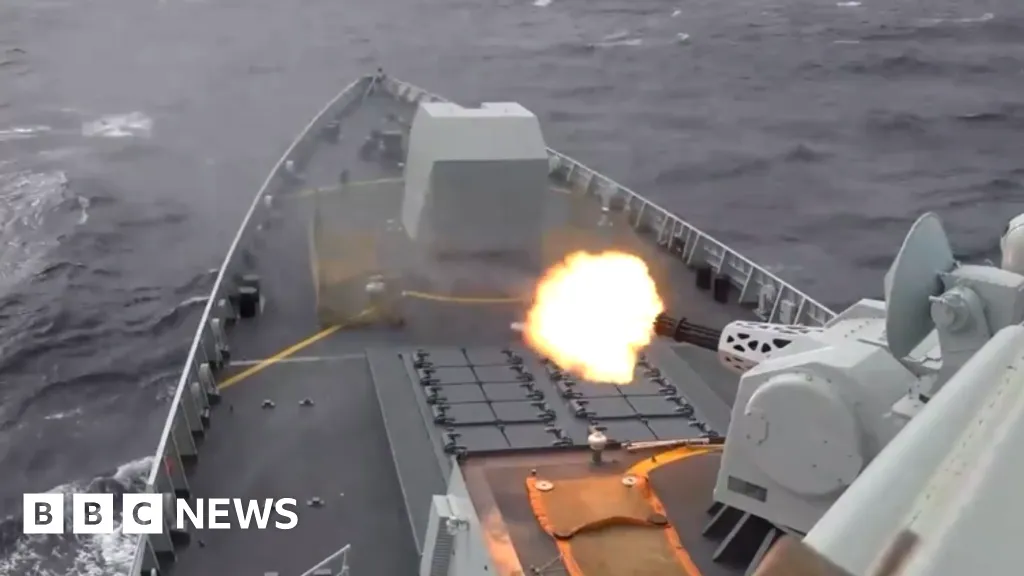
China holds military drills around Taiwan simulating seizure and blockade, escalating tensions after US arms sale. Taipei boosts alert as flights diverted.
China Military Drills Around Taiwan: Tensions Escalate in the Taiwan Strait
Overview of China Military Drills Around Taiwan
China has launched extensive military drills around Taiwan, simulating the seizure and blockade of the island’s strategic areas. These high-profile operations have been described by Beijing as a stern warning against “separatist forces” and come in response to the recent $11 billion US arms sale to Taiwan, which China strongly condemned.
The exercises, codenamed Justice Mission 2025, involve the joint participation of the Chinese army, navy, air force, and rocket force. They feature live-fire demonstrations and heightened military activity in the Taiwan Strait, an area already marked as a flashpoint for regional tensions.
Reactions from Taiwan
Taiwan’s presidential office swiftly condemned the drills, labeling them a direct challenge to international norms. The Ministry of National Defense in Taiwan reported the detection of 89 Chinese military aircraft and 28 naval vessels in the vicinity, responding by putting its missile systems on high alert and maintaining readiness to defend its sovereignty and people.
“Protect our people”—this mantra remains central as Taiwan continues to monitor the evolving situation and calls upon the international community to uphold the status quo in the region.
President Lai Ching-te’s Response
Beijing has accused Taiwan’s president, Lai Ching-te, of pursuing independence, a charge he denies. Lai reiterated in a recent interview that his administration is focused on maintaining the “status quo” and de-escalating provocations, emphasizing that peace requires “real strength.” Polls show that most Taiwanese prefer not to unify with China, nor to formally declare independence, but to maintain the current state of affairs.
Details of the Military Drills
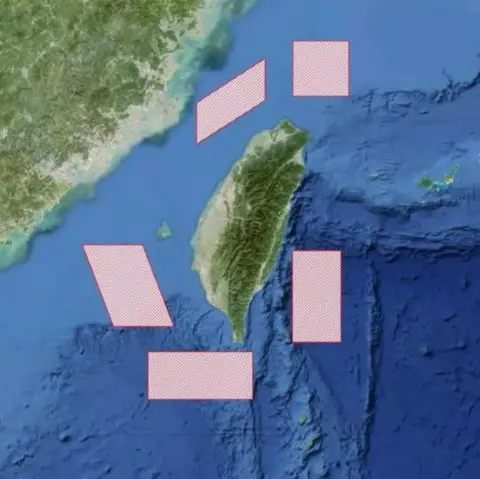
- The drills are set to include live-fire exercises around Taiwan, with simulated blockades of critical ports and facilities.
- Taiwan’s transport ministry reports over 100,000 air passengers will face flight diversions.
- The exercises follow Beijing’s pattern of increased militarization in the Strait following perceived threats, such as US official visits and Taiwan’s defense upgrades.
- This week’s operations are the first under Yang Zhibin, the new head of China’s Eastern Theater Command.
Impact on International Relations
Beijing has framed the military drills around Taiwan as a “severe punishment” for pro-independence movements and a warning to “external forces.” The Chinese Foreign Ministry reiterated that any scheme to impede China’s reunification “is doomed to fail.” China has also sanctioned US defense companies involved in arms sales to Taiwan.
The drills have disrupted stability in the region, drawing international attention from allies like the United States and Japan. Japan’s suggestion that its self-defense forces could intervene has further chilled diplomatic ties with Beijing, resulting in heated exchanges and military encounter incidents.
Broader Regional Repercussions
The exercise’s effects extend beyond the Taiwan Strait. Increased tensions have resulted in military standoffs and warnings from China against perceived “harassment” by Japanese forces. The situation has elevated security alerts across East Asia and drawn scrutiny from major organizations like the United Nations.
Taiwan’s Defensive Measures
In response to China’s growing military presence, Taiwan has held a series of its own exercises, including the Han Kuang drills—this year being the largest in scope. President Lai has ramped up defense spending and commissioned projects like a dome-like air defense system to further protect the island’s population from potential threats.
For further information and analysis on Taiwan’s ongoing security strategies, see our in-depth Taiwan Defense Updates.
Conclusion
The current China military drills around Taiwan highlight escalating tensions that impact not only Taiwan and China but the larger Indo-Pacific region. With ongoing geopolitical maneuverings, diversion of flights, and heightened military readiness, the world watches closely as the standoff continues.
For primary coverage, visit the original BBC News article.