
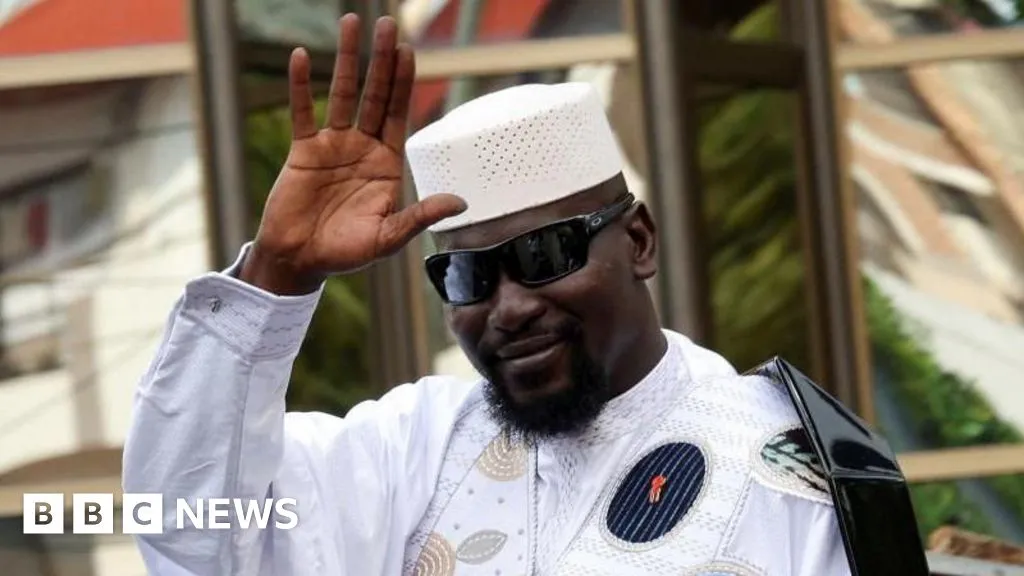
Guinea junta leader Gen Mamady Doumbouya leads the presidential election amid opposition outcry and social media restrictions. Learn the full story.
Guinea, Elections, Junta, Gen Mamady Doumbouya, Politics, Coup, Conakry, Bauxite, Africa, Government
Gen Mamady Doumbouya Takes Sweeping Lead in Guinea Presidential Election
Gen Mamady Doumbouya, Guinea’s junta leader, is holding a commanding lead in the presidential election as initial results emerge. Accusations of electoral irregularities and media restrictions are dominating headlines, raising concerns about Guinea’s democratic process.
Background: Power Seized, Promises Broken
In 2021, Gen Doumbouya rose to power through a military coup, overthrowing then-President Alpha Condé. At the time, Doumbouya vowed not to seek elected office, promising a return to civilian rule. “Neither I nor any member of this transition will be a candidate for anything… As soldiers, we value our word very much,” he declared.
However, following the adoption of a new constitution in September, Doumbouya reversed course and placed his name on the ballot, aiming to legitimize his rule through electoral means.
Election Results and Controversies
According to early official figures announced on national television by Djenabou Toure, the head of the General Directorate of Elections, Gen Mamady Doumbouya garnered over 80% of the vote in numerous districts across the capital, Conakry. He also led in key regions including Boffa, Fria, Gaoual, Koundara, Labe, and Nzerekore, demonstrating widespread geographical support.
The election has been contested by civil society groups such as those advocating a return to civilian rule, who called the vote a “charade.” Main opposition parties, RPG Arc en Ciel and UFDG, were excluded from participating, further delegitimizing the process in the eyes of critics. In total, eight other candidates ran, but without the major opposition, none posed a serious challenge to Doumbouya’s rule.
Restrictions and Criticism
The build-up to the elections saw bans on protests, press limitations, and restrictions on opposition activities. As Guineans awaited complete election results, the internet watchdog NetBlocks reported significant curbs on social media platforms including TikTok, YouTube, and Facebook.
There has been no official explanation for these restrictions, yet opposition voices argue this is a deliberate attempt by the junta to silence dissent and control the election narrative.
Economic Factors: Wealth Amid Widespread Poverty
Guinea is rich in natural resources, holding the world’s largest bauxite reserves and significant iron ore deposits. The government recently initiated operations at the colossal Simandou iron-ore mine, generating anticipation about potential economic growth.
Despite these resources, over half of Guinea’s population continues to live in poverty, according to the World Bank. This economic disparity remains a pressing concern for average Guineans, irrespective of political developments.
Conclusion
As Gen Mamady Doumbouya consolidates his grip on power through the contentious election, the future of democracy and prosperity in Guinea remains uncertain. Continued criticism from the opposition and international observers highlights the challenges the West African nation faces in transitioning to stable civilian governance.
Read more: BBC News: Guinea’s Junta Leader in Election Lead