
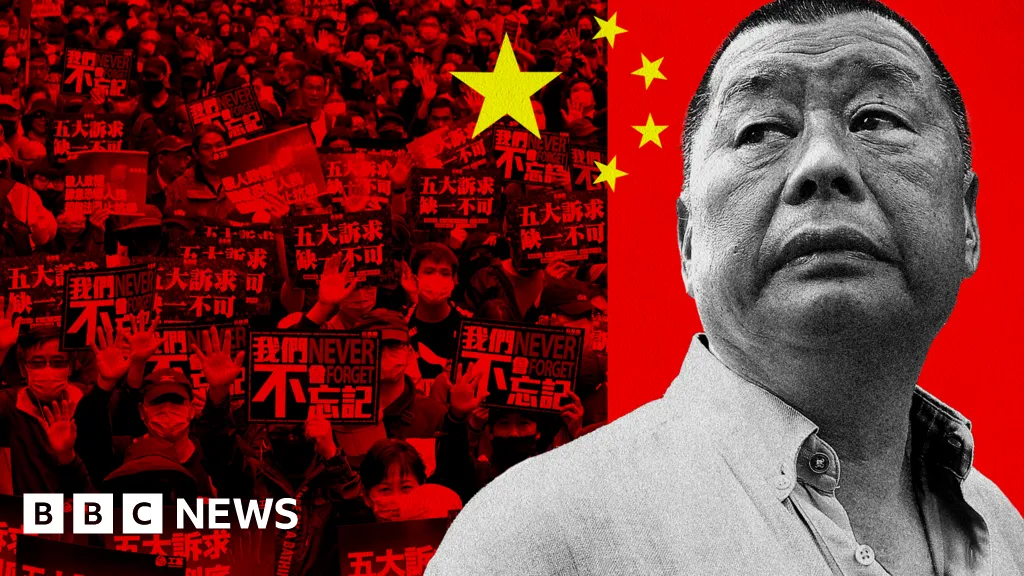
The extraordinary journey of Jimmy Lai from mainland China to Hong Kong: tycoon, media mogul, and symbol of democracy’s struggle under the national security law.
Jimmy Lai: Media Mogul, Democracy Icon, and the Struggle for Hong Kong’s Freedom
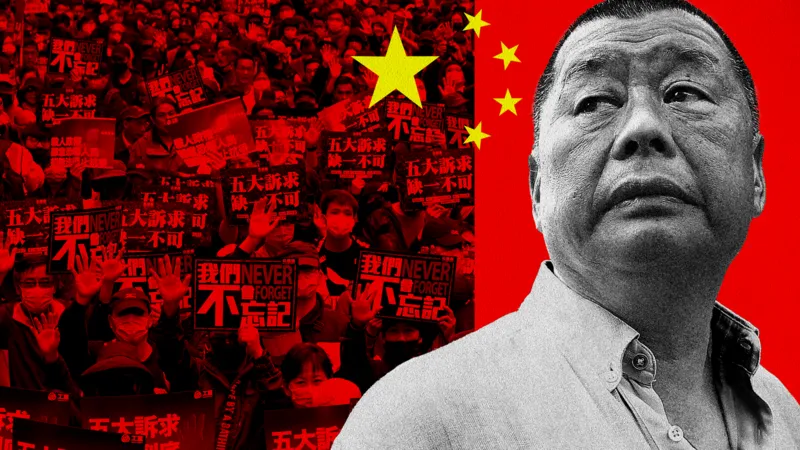
Meeting Jimmy Lai in Prison: A Symbol of Hong Kong’s Transformation
On a winter morning in 2022, activist friends Raphael Wong and Figo Chan entered Hong Kong’s Stanley Prison to visit Jimmy Lai—the powerful media tycoon arrested in 2020 under the city’s sweeping national security law. Once, they had shared lavish meals and laughter. Now, their reunion took place behind bars, a stark reflection of how much Hong Kong had changed since the 2019 pro-democracy protests were crushed.
Gone was the irrepressible “Fatty Lai”: prison had taken a physical toll, but not his spirit. Lai’s favorite meal inside was humble rice with pickled ginger—a marked contrast to his days as a billionaire media boss.
Lai’s Role in Hong Kong’s Pro-Democracy Movement
Jimmy Lai was pivotal in Hong Kong’s quest for democracy. As owner of Apple Daily, the territory’s most popular tabloid, he offered a vocal platform against Beijing’s growing influence. But with the imposition of the national security law in 2020, voicing dissent became increasingly risky.
Lai refused to seek exile, despite his UK citizenship. “I got everything I have because of this place,” he once told the BBC moments before being arrested. His fierce advocacy for the “rule of law, freedom, pursuit of democracy, freedom of speech, freedom of religion, freedom of assembly”—and open criticism of the Chinese Communist Party—eventually cost him his own freedom.
Conviction and Verdict
On 29 January 2024, the High Court ruled that Lai harbored “a rabid hatred” of the Communist Party and sought to change its values to those of the West. He was found guilty on all counts, with the main charge of collusion with foreign forces carrying a sentence of life imprisonment. Lai firmly denied the charges, maintaining his advocacy was always for Hong Kong’s core values.
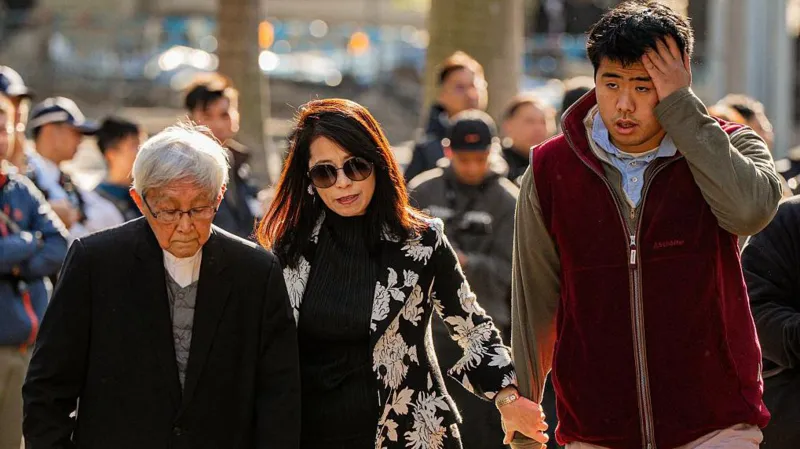
The Power of Faith: Lai’s Catholicism Deepens in Solitude
In the harsh confines of solitary—reportedly chosen by Lai—his Catholic faith became a guiding comfort. He reportedly prayed for hours daily and sent drawings of Christ to friends. According to Raphael Wong, “Even though he was suffering, he didn’t complain nor was he afraid. He was at peace.”
Escaping China: Early Life and First Taste of Freedom
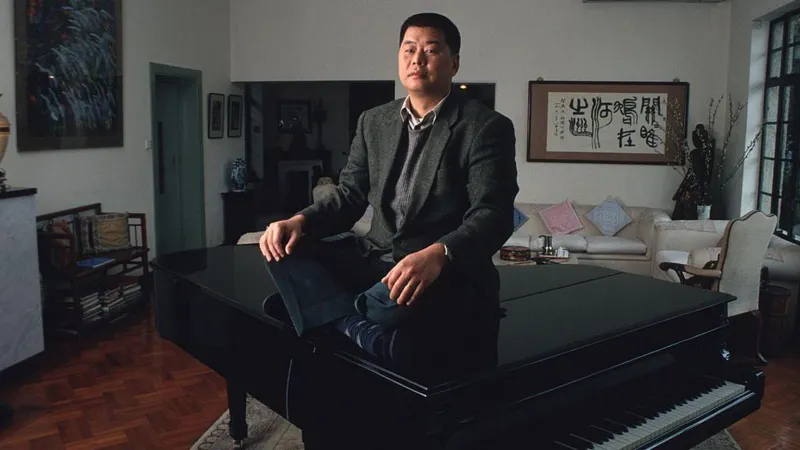
Jimmy Lai‘s journey began in Mao-era China, punctuated by poverty and political persecution. After a chance encounter with a man from Hong Kong who gave him chocolate, the young Lai decided the city must be “heaven.” At 12, he escaped by boat and found work in a mitten factory upon arrival. There, his entrepreneurial drive took root.
By his 20s, Lai managed a textile factory and later founded his own garment business, Comitex Knitters, at age 27.
Business Success and Becoming a Media Giant
Lai’s Hong Kong was everything China was not: deeply capitalist and free. Influenced by Hayek’s “The Road to Serfdom,” Lai pursued free-market ideals. After a successful career in textiles, he founded Giordano (1981), pioneering fast fashion across Asia—so influential, even Uniqlo’s founder, Tadashi Yanai, sought his advice.
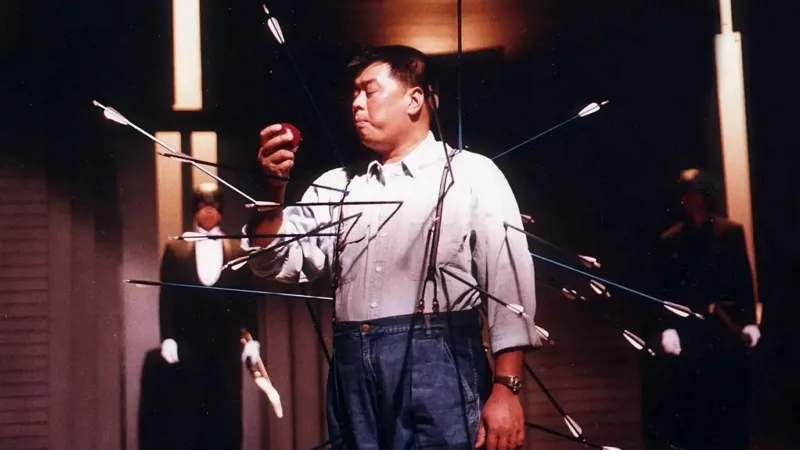
Everything changed after the 1989 Tiananmen crackdown. Giordano stores sold pro-democracy t-shirts, and Lai became a key supporter of the movement. He launched the magazine Next and in 1995 the Apple Daily newspaper, which shook up the press landscape with its brash style and investigative zeal.
Standing Up to Beijing
Outspoken and unafraid, Lai called the Tiananmen architect Li Peng “son of a turtle egg” in an open letter. The result: Giordano’s mainland operations were shuttered, and Lai stepped down. Turning to media, he believed, “If I deliver information, which is choice, and choice is freedom.”
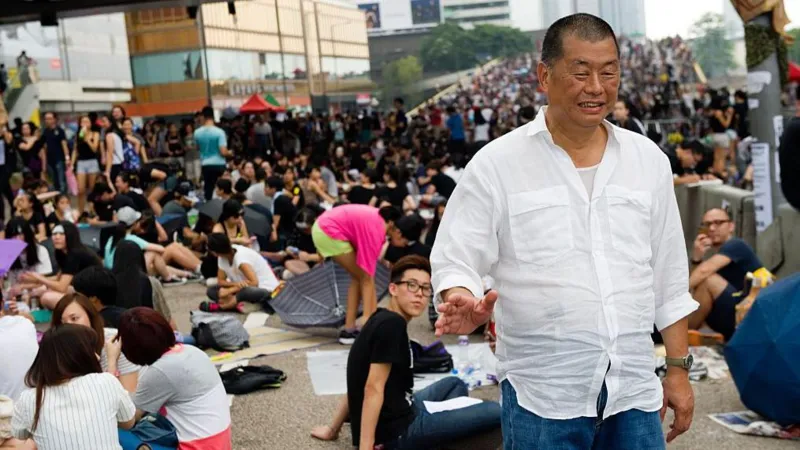
Lai’s Apple Daily became a tool and a symbol of Hong Kong’s desire for autonomy. He consistently voiced concern about the 1997 handover to China and was a fixture at major protests—including the 2014 Umbrella Movement and the 2019 anti-extradition demonstrations.
The Fall of Apple Daily and Lai’s Imprisonment
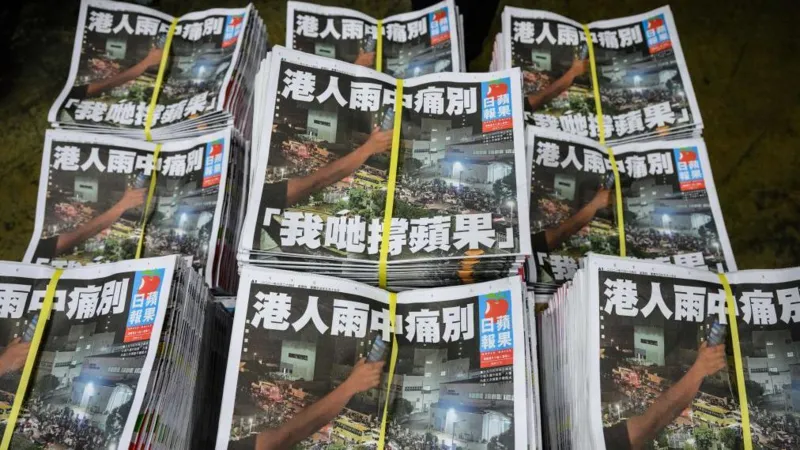
During the 2019 protests, Apple Daily was both a chronicler and—depending on perspective—a provocateur. Lai’s editorial hands-on management was legendary; witnesses at his trial described how he urged coverage supporting street protests. After the National Security Law, the Apple Daily newsroom was raided and, in June 2021, the paper published its final edition.
Beijing applauded Hong Kong moving from “chaos to governance,” while critics—hundreds of thousands now emigrated—say freedoms are severely diminished. Lai’s family continues to advocate for his release on humanitarian grounds.
For further insight into Hong Kong’s fight for democracy, see our comprehensive overview of the 2019 Hong Kong protests.
For a wider context on press freedom and democracy in China, the Reporters Without Borders World Press Freedom Index is an authoritative resource.
The Legacy of Jimmy Lai
Jimmy Lai remains both symbol and test of Hong Kong’s democratic aspirations. Even imprisoned, his story continues to ignite debate—on freedom, dissent, and the future of a city in transformation.