
India’s solar energy boom brings clean power but looming waste crisis. Discover challenges, recycling solutions, and what must change for a greener future.
Solar waste in India: The Looming Challenge of Clean Energy
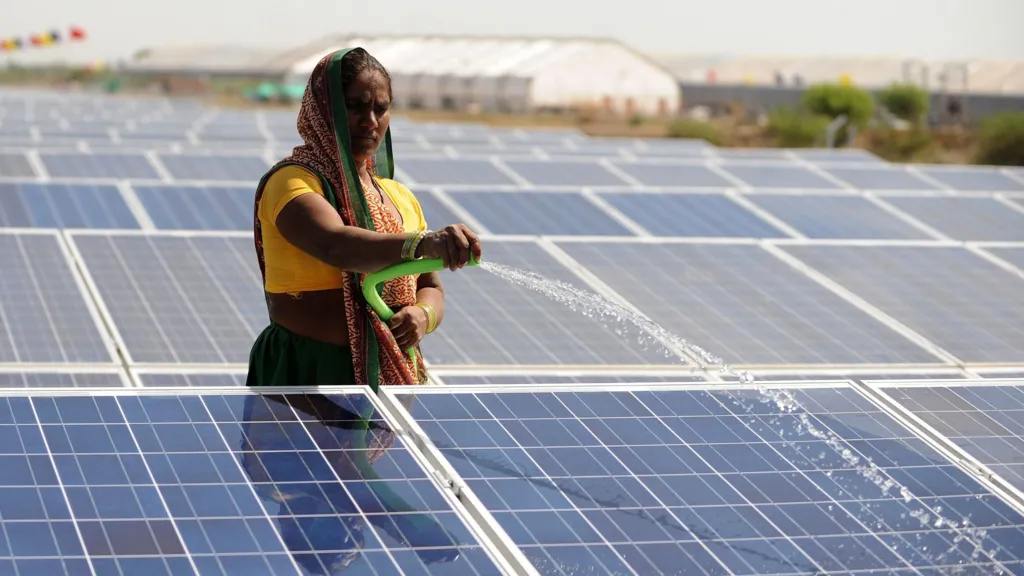
India’s rapid expansion of solar energy is celebrated globally as a remarkable climate achievement. However, a critical question looms: solar waste in India may threaten the country’s green transition if not properly addressed. While millions of solar panels provide clean electricity, the country must now face the environmental impacts of their disposal and recycling.
India’s Solar Power Boom
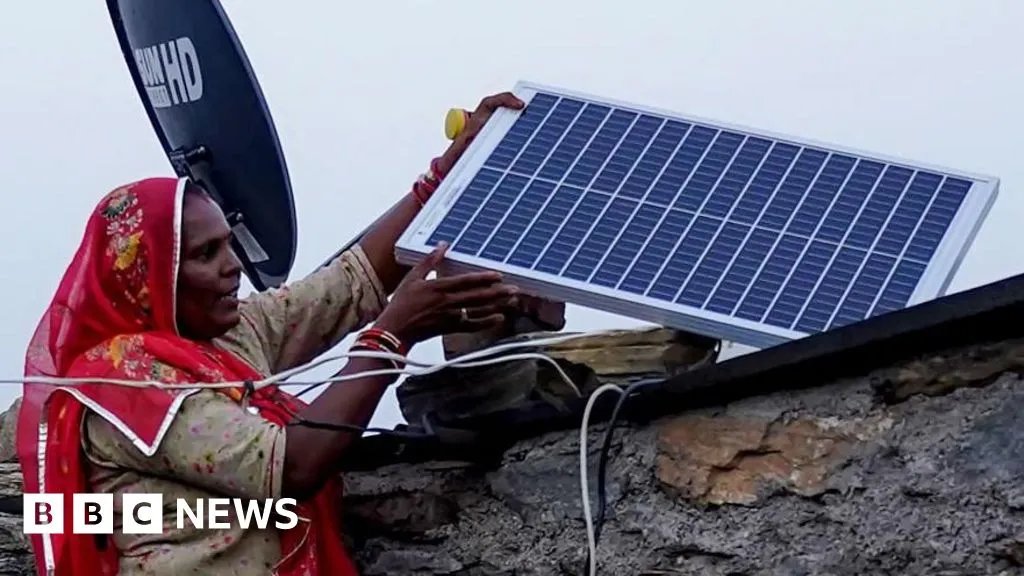
In just a decade, India has become the third-largest solar producer in the world. Government initiatives led to the installation of vast solar parks and widespread rooftop systems—nearly 2.4 million households have adopted solar panels with the help of subsidies. Solar energy now contributes over 20% of India’s installed capacity, significantly reducing reliance on coal and other fossil fuels.
The Environmental Risks of Solar Waste
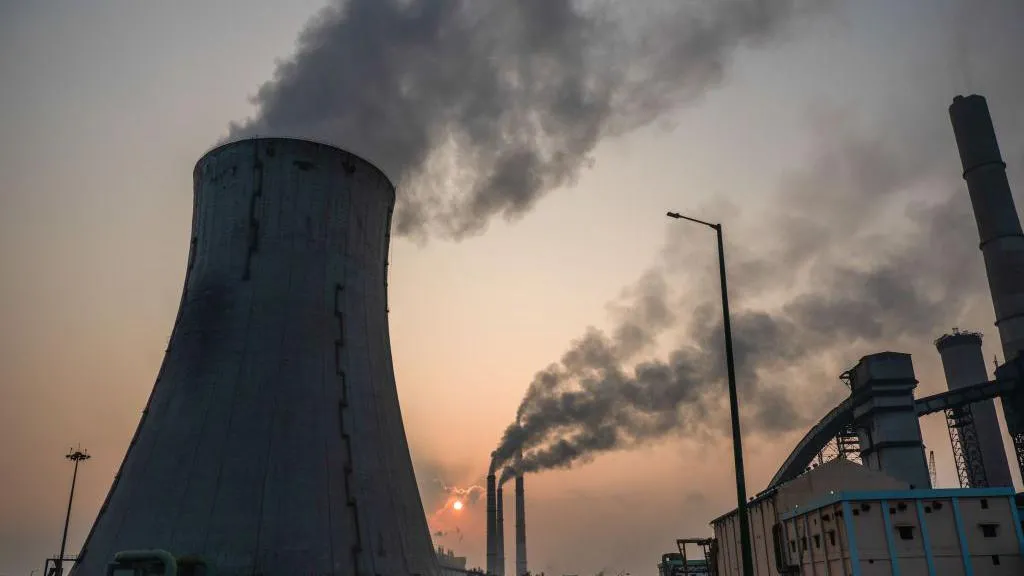
Despite the clean reputation, solar panels present unique environmental challenges. Most panels contain recyclable materials like glass, aluminum, silicon, and silver. However, they also include trace toxic metals such as lead and cadmium, which can be harmful if panels are mishandled or dumped in landfills. Typically, solar panels have a life span of about 25 years, and end-of-life management is crucial for the sustainability of India’s transition to renewable energy.
Current Solar Waste Estimates
- No official data on solar waste in India exists, but recent studies estimate it at around 100,000 tonnes in 2023.
- By 2030, this could rise to 600,000 tonnes.
- Looking forward, 11 million tonnes of solar waste could be generated by 2047, potentially requiring 300 dedicated recycling facilities and nearly $500 million investment (CEEW).
Comparison With Global Trends
This waste challenge is not unique to India. In the US, solar-panel recycling is market-driven with varying regulations across states, while China is still developing a national approach. Both countries also face significant build-ups of solar waste (energy.gov).
India’s Regulatory Response
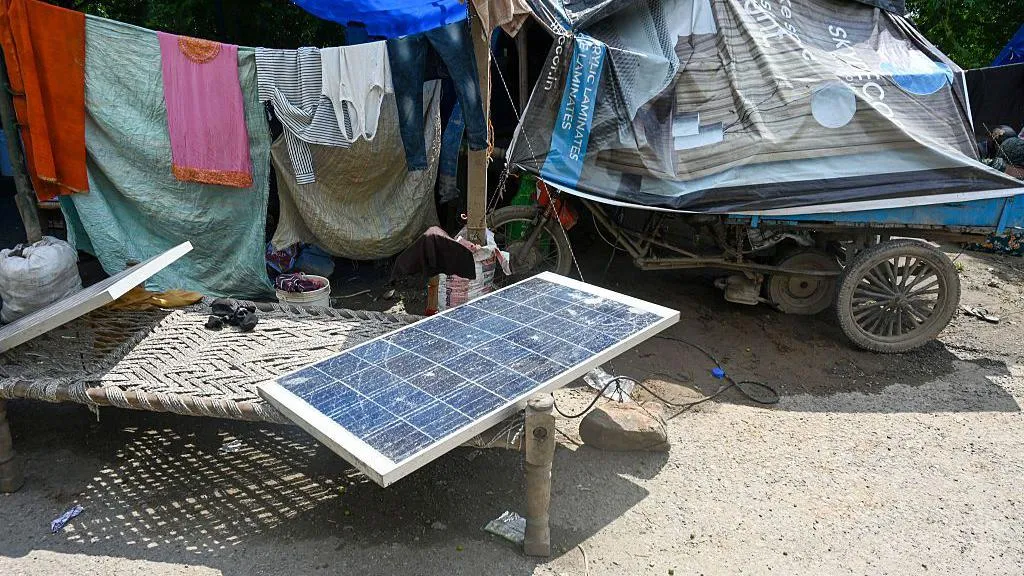
India included solar panels under wider e-waste rules in 2022, making manufacturers responsible for collection and recycling. However, experts argue that enforcement is weak, especially for small-scale and household systems, which are harder to track and often end up in landfills or with unregulated recyclers who may extract only low-value materials and risk releasing toxins.
Challenges and Opportunities in Solar Panel Recycling
Expert Sai Bhaskar Reddy Nakka warns: “Solar waste in India could become a graveyard of modules without a robust recycling strategy.” Despite the hurdles, the situation also offers economic and environmental opportunities:
- Efficient recycling of old panels can reclaim up to 38% of materials for new panels by 2047.
- This could avoid 37 million tonnes of carbon emissions from raw material mining (Council on Energy, Environment and Water – CEEW).
- India already has strong markets for recycled glass and aluminum, while silicon, silver, and copper could also be recovered for manufacturing.
What Needs to Change?
- India must build a regulated, self-sustaining network of recycling facilities.
- Public awareness and integration of waste collection into solar business models are critical.
- Companies that profit from solar power should also bear responsibility for end-of-life management of panels.
As Mr. Nakka notes: “Without proper recycling, clean energy today could mean more waste tomorrow.” Rapid investment, clear policies, and cooperation between government and the private sector are essential for ensuring solar waste in India does not undermine the country’s environmental progress.
Learn More
- U.S. Department of Energy: End-of-Life Management of Solar Photovoltaics
- Explore our guide on The Future of Solar Energy in India: Challenges and Opportunities.