
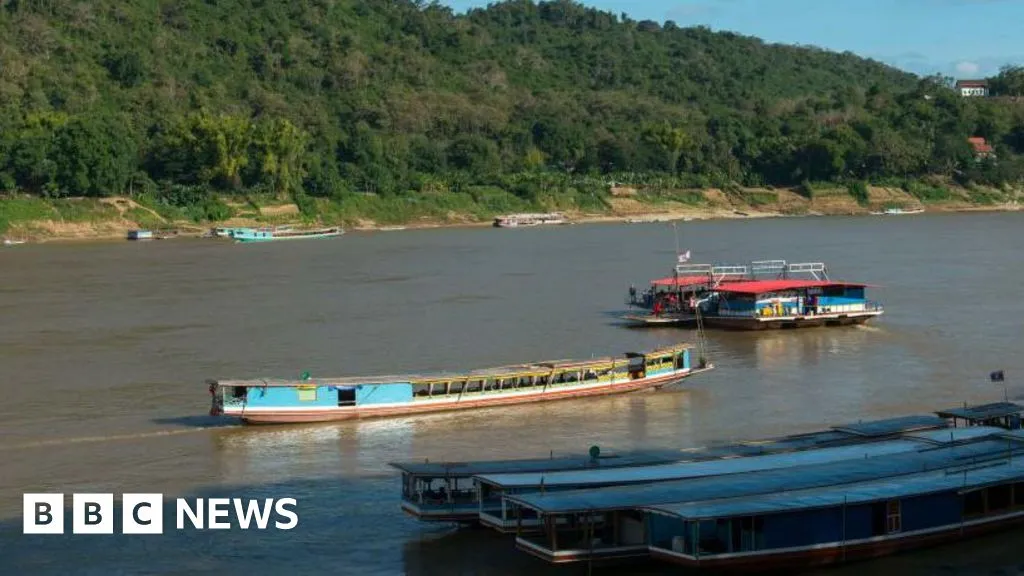
Tragedy struck on the Mekong River in Laos when a tourist ferry capsized, raising new concerns about boat safety standards in the region.
news, Laos, Mekong River, ferry accident, tourism, travel safety, boat capsizing, tourist safety
Mekong River Ferry Capsizing Raises Questions About Tourism Safety in Laos
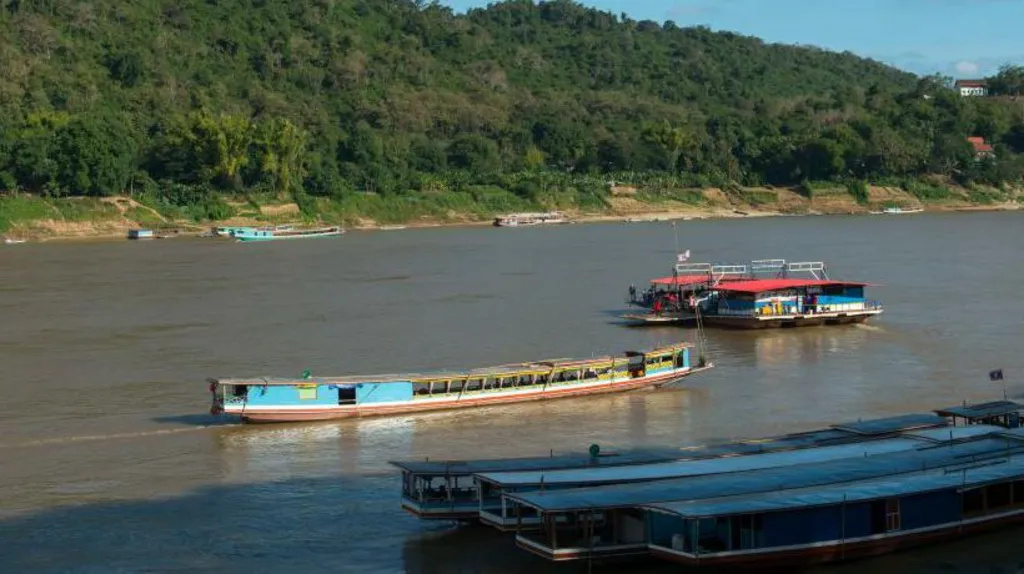
Tourist Ferry Capsizes: What Happened on the Mekong River?
What started as a routine Thursday journey for over 140 people, primarily tourists, turned tragic when a ferry traversing the Mekong River in Laos capsized, highlighting urgent safety concerns. Among the passengers was Anthonin, a 30-year-old French citizen whose father was born in Laos.
Videos circulating online revealed a chaotic, terrifying scene—shrieks for help, children in distress, and frantic attempts to salvage luggage as the vessel overturned.
Sadly, a young mother, Pany Her, and her one-year-old child lost their lives, with the search ongoing for her second child. According to reports from local media, these tragic deaths underscore the dangers present on popular tourist routes along the Mekong.
‘Only 15 Lifejackets’ for Over 140 Passengers
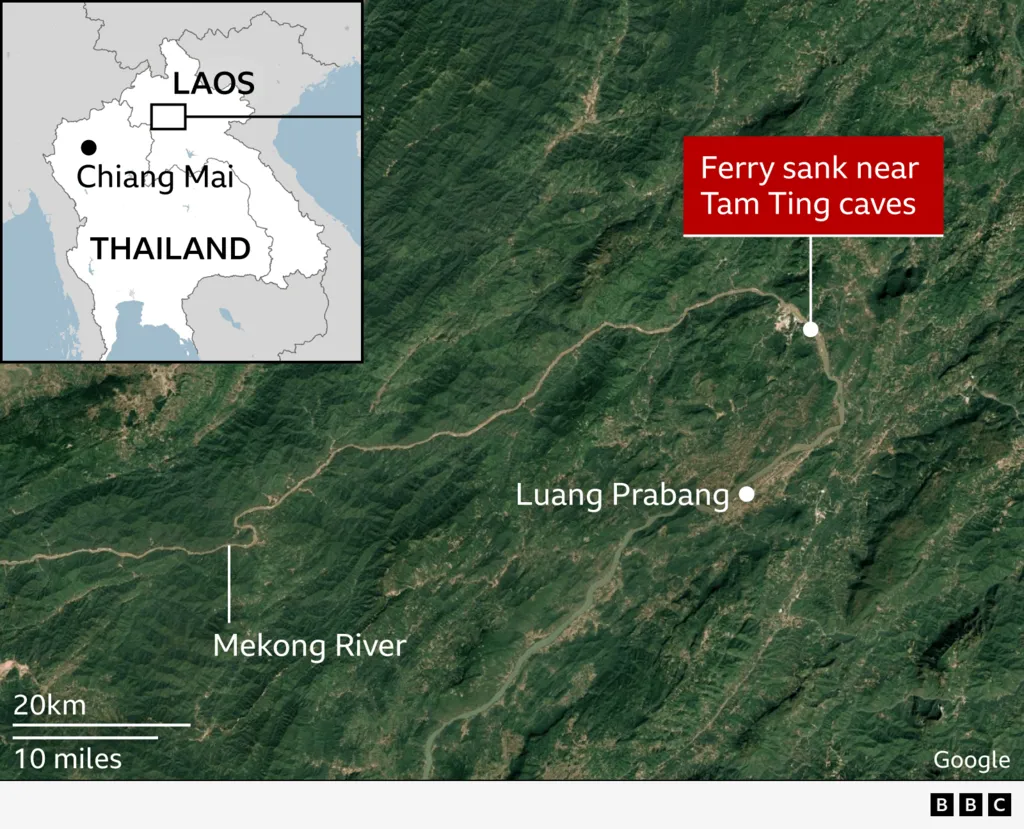
The ferry journeyed between the riverside hub Huay Xay and historic Luang Prabang—a well-trodden path for visitors seeking quintessential Laotian river experiences.
In total, 118 tourists and 29 locals, including crew, were on board when the disaster struck near Tam Ting (Pak Ou) caves after the boat hit submerged rocks.
Survivors described chaos and unpreparedness. There were reportedly only about 15 lifejackets available. As the boat quickly took on water, the rescue effort was hampered when bystanders at first did not stop to help, fearing overcrowding.
Survivors’ Experiences: Panic and Heroism
Passengers like Anthonin and British tourist Bradley Cook detailed how the arrival of a rescue boat at first exacerbated the instability of the sinking ferry, as many shifted anxiously toward one side, accelerating the capsizing process.
Despite the confusion, many managed to escape by climbing onto the rescue ferry or swimming, but the absence of the Lao mother and her children was quickly noticed. Rescue teams later recovered two bodies downstream.
Mekong River Travel: Popular Yet Perilous
According to the Mekong River Commission, tens of thousands of tourists travel the 300-kilometer stretch between Huay Xay, Pak Beng, and Luang Prabang annually. Slow boat and speedboat services are major draws, but incidents like this highlight persistent safety deficits.
While some survivors managed to lighten the mood initially—even joking as water seeped in—panic set in as the ferry went under. Many jumped in to help others out of the water, capturing both the vulnerability and supportive spirit on board.
Recurring Issues and Past Incidents
The recent Mekong River ferry capsizing was not an isolated incident. In September 2023, another vessel on the same river corridor overturned in the Pakbeng district, resulting in three deaths when the boat became tangled in fishing nets and lost control in strong currents.
These recurring tragedies raise the question: Are authorities and operators doing enough to prevent future losses? Despite the river’s important role in Laos’ growing tourism industry, consistent regulation and safety enforcement remain a challenge.
What Needs to Change for Tourist Safety on the Mekong?
- Strict enforcement of safety regulations regarding lifejackets and boat maintenance
- Comprehensive emergency training for boat crews
- Improved signage and communication about river hazards for tourists
- Accountability for operators who fail to meet safety standards
Travelers considering a journey on the Mekong should be aware of risks and take personal safety precautions. For more travel safety advice, visit our Travel Tips and Safety Guide.
For up-to-date information on regional boat travel safety, see advice from Lonely Planet.
Conclusion
The Mekong River ferry capsizing serves as a sombre reminder of the perils that can come with river travel in regions where regulation has yet to catch up with booming tourism. While the experience remains breathtaking for most, vigilance and reform are vital to ensure tragedies do not continue to mar one of Southeast Asia’s greatest waterways.