
Russian archaeologist Alexander Butyagin faces extradition over alleged illegal excavations in Crimea, spotlighting the complex ethics of archaeology in wartime.
Crimea, Alexander Butyagin, archaeology, war crimes, Hermitage Museum, extradition, Ukraine, Poland, cultural heritage, Hague Convention
Crimea Archaeology Controversy: The Case of Alexander Butyagin and the Ethics of Excavation
By Grigor Atanesian & Investigations Team, BBC News Russian
Introduction: Archaeology at the Heart of Geopolitical Conflict
The arrest of Russian archaeologist Alexander Butyagin in Poland has intensified debate over the responsibilities of museums and experts in wartime. Butyagin, a senior scholar at St. Petersburg’s Hermitage Museum and leader of excavations at Myrmekion in Crimea since 1999, awaits extradition as Ukraine accuses him of illegal archaeological activities in the disputed territory.
This unfolding legal battle highlights how the preservation of ancient artefacts and sites intersects with international law, cultural identity, and war propaganda.
The Myrmekion Site: Ancient Heritage in Disputed Territory
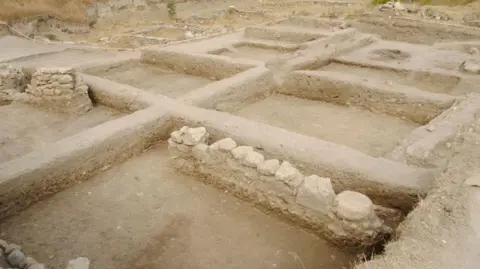
The ancient settlement of Myrmekion dates back to the 6th Century BC, a period when Greek influence spread across the Black Sea region. Butyagin’s expedition reportedly uncovered hundreds of coins, including some from the era of Alexander the Great. However, these discoveries continued even after Russia’s internationally condemned annexation of Crimea in 2014.
Ukrainian authorities argue that conducting archaeological work without Kyiv’s authorization violates international and Ukrainian law. They accuse Butyagin of illegal excavations and destruction of cultural heritage, underscoring the charged question: Is such scholarly work preservation or plunder?
Legal Battle: Extradition, Protocols, and Precedents
In November 2024, Ukrainian courts issued a warrant for Butyagin, leading to his arrest in Poland. Ukraine relies on the 2nd Protocol to the Hague Convention for the Protection of Cultural Property, which prohibits archaeological excavations under occupation except in rare circumstances.
While both Poland and Ukraine have ratified this protocol, Russia has not. European countries have previously hesitated to extradite Russian nationals to Ukraine, citing the risk of human rights violations, torture, or politically motivated persecution under the European Convention on Human Rights.
Similar high-profile refusals include a Danish Supreme Court case against extraditing a Russian national accused of espionage.
Arguments for and Against Butyagin
Supporters claim Butyagin’s work prevented looting and preserved Crimea’s unique ancient heritage. Critics, including Ukrainian cultural experts, argue that any unauthorized excavation during armed conflict constitutes destruction, regardless of intent.
The Role of the Hermitage and International Museums
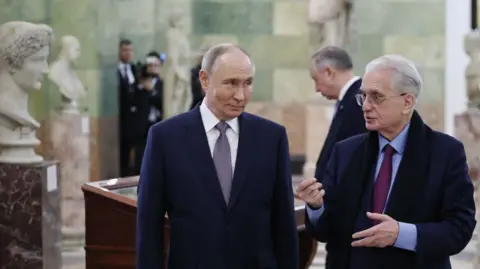
The Hermitage Museum maintains that all excavation finds remain in Crimea, being transferred to the Eastern Crimean Museum, except for temporary loans or restoration. However, under Ukrainian law, all archaeological artefacts from Crimea should belong to Ukraine’s national museum fund.
Expert Perspectives on Archaeology and Armed Conflict
“Excavations, however ethical, amount to destruction if they take place without permission and under conditions of armed conflict,” observes Evelina Kravchenko of the National Academy of Sciences of Ukraine.
International scholars like Samuel Andrew Hardy, an expert in cultural property protection, emphasize that even official excavations can enable further looting and open the door to politically driven historical narratives. For more on the protection of cultural heritage in conflict, see UNESCO’s official resources.
Some argue that responsibility for these actions lies primarily with the Russian state, not with individual archaeologists acting under institutional pressure.
Broader Implications: Museums, National Identity, and International Law
The Crimea archaeology case reveals a persistent tension: museums’ missions to preserve and display culture can intersect with the aspirations of occupying powers to legitimize control and shape collective memory. The fate of Alexander Butyagin will not just decide one man’s future, but will also set a precedent for how scholarly activity is judged in zones of conflict and contested sovereignty.
For further reading, see our related article on how cultural heritage is protected in warzones.
Conclusion
As the Polish court weighs Ukraine’s extradition request, the international community is watching closely, knowing that the Butyagin case may define the boundaries of archaeology, ethics, and national claims in the twenty-first century.