
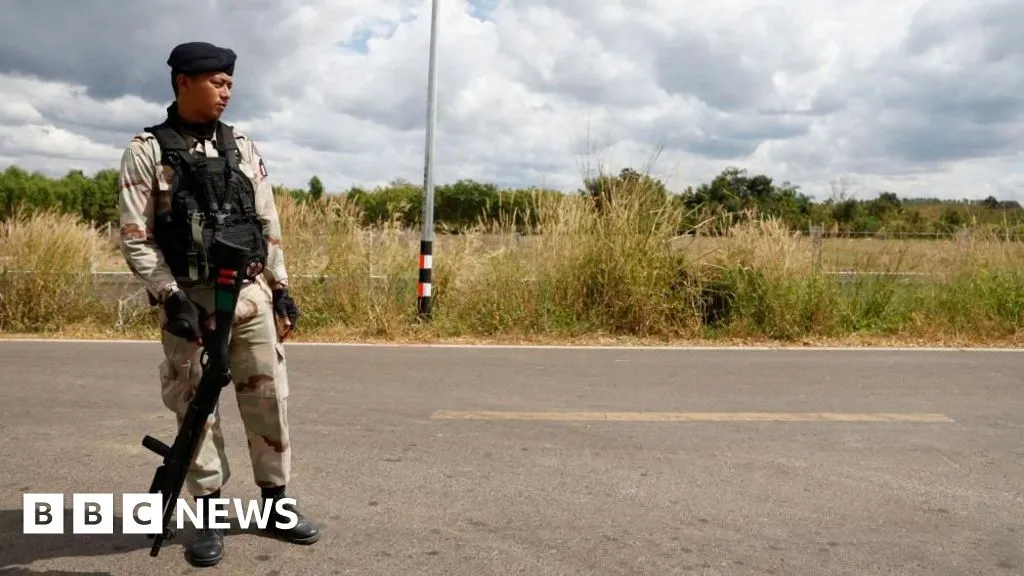
Tensions escalate on the Thailand-Cambodia border as air strikes, negotiations, and ceasefire talks continue after deadly clashes and displacement.
Thailand, Cambodia, Border Conflict, Air Strikes, Ceasefire, Southeast Asia, International Relations
Thailand Air Strikes Escalate Border Conflict with Cambodia
Recent developments in the longstanding Thailand-Cambodia border conflict reached a new level of intensity as Thailand air strikes targeted areas in Cambodia, further threatening regional stability and civilian safety.
Background: Border Tensions and Recent Clashes
The Thailand-Cambodia border dispute spans more than a century and has seen sporadic military clashes over the years. Tensions renewed in May, culminating in the past month with a series of violent exchanges, including rocket attacks and retaliatory air strikes that have left dozens dead and nearly one million displaced.
Read more about the history and previous incidents on our Thailand-Cambodia border history page.
Details of the Air Strikes
On Friday, the Thai Air Force executed air strikes against what it described as a Cambodian “fortified military position” after civilian evacuations. In contrast, Cambodia’s defence ministry accused Thailand of “indiscriminate attacks” on civilian homes in the Banteay Meanchey province, reportedly injuring several people.
Extent of the Damage
- Up to 40 bombs were dropped by Thai F-16 fighter jets (source: Cambodian defence ministry Facebook post).
- Villages like Nong Chan were specifically targeted as part of military operations to establish control (source: BBC News).
- Over 41 people have lost their lives, and almost one million residents have been displaced since hostilities resumed.
Efforts Toward Negotiation and Ceasefire
While fighting has now extended along nearly every province of the 500-mile (800km) border, both sides continue diplomatic efforts. Negotiators have been in talks for three consecutive days at a major border checkpoint, with defence ministers expected to join discussions soon. The hope, according to Thai Prime Minister Anutin Charnvirakul, is that both sides can sign a lasting ceasefire agreement allowing displaced communities to return home.
The United States and China have also stepped in to help mediate and de-escalate the situation, reflecting the broader importance of Southeast Asia’s stability on the world stage.
Blame for Ceasefire Collapse
Both Thailand and Cambodia blame each other for the breakdown of the previous truce, with disputes arising over territorial claims and the conduct of military personnel on both sides.
Timeline of Recent Escalation
- May: Cambodian soldier killed in border clash, ramping up tensions.
- July 24: Cambodian rocket attacks launch into Thailand; Thailand responds with air strikes.
- Late July: Five days of intense fighting kill dozens of soldiers and civilians, leading to a brief ceasefire.
- Recent weeks: Ceasefire collapses, hostilities spread along the entire border with increasing international concern.
Outlook for Peace
As ongoing talks seek a lasting solution to the Thailand-Cambodia border conflict, the region remains tense, with international pressure rising to prevent further loss of life and displacement. Both sides have expressed hope for peace, but a firm resolution remains elusive.
Further Reading
- For latest updates on the conflict, visit BBC News coverage.
- Explore our comprehensive analysis on current affairs in Southeast Asia.