
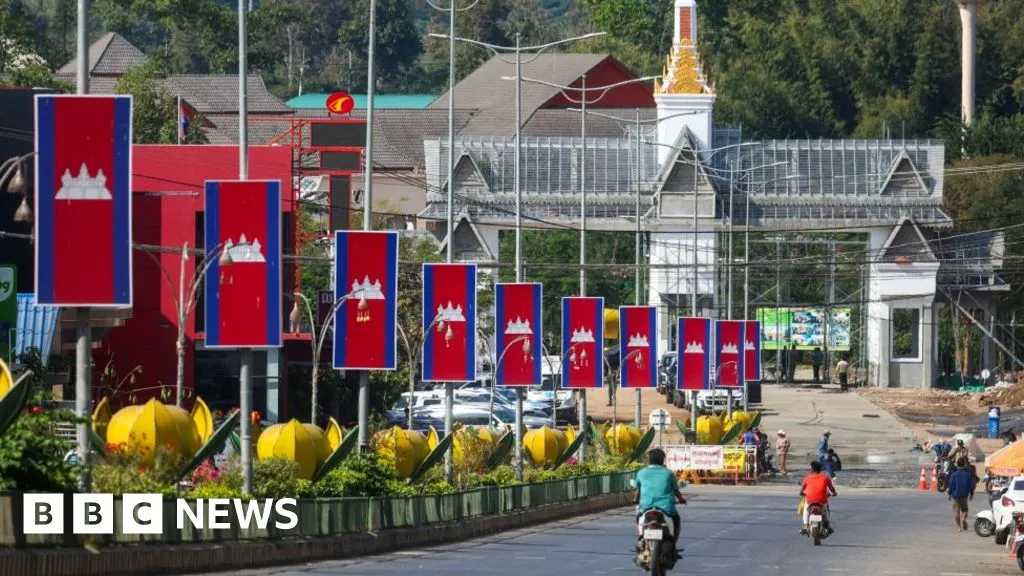
Ceasefire between Thailand and Cambodia takes effect, aiming to end weeks of deadly border clashes and allow displaced civilians to return home.
thailand, cambodia, ceasefire, border dispute, international relations, southeast asia, conflict resolution, landmines, displaced persons
Ceasefire Between Thailand and Cambodia: A Step Towards Border Peace
After almost three weeks of intense and deadly border clashes, a ceasefire between Thailand and Cambodia has finally come into effect. The extended conflict forced nearly one million people to flee their homes, highlighting the urgent need for peace and stability in the region.
Details of the Ceasefire Agreement
In an historic joint statement, the defence ministers of Thailand and Cambodia have agreed on several key points:
- Front lines will be frozen at their current positions.
- All reinforcements are banned along the border.
- Civilians displaced by the conflict are encouraged to return as soon as possible.
- Once the ceasefire has held for 72 hours, 18 Cambodian soldiers held by Thailand since July will be released.
This agreement came into force at noon local time on Saturday. The breakthrough was achieved after days of discussion, with diplomatic support from major powers such as China and the United States.
Commitment to Civilian Safety and Demining
One of the most urgent provisions is the prioritization of returning displaced people to their homes, as well as a mutual commitment to remove landmines in affected areas to ensure long-term safety.
Testing the Sincerity of Both Parties
Thailand’s Defence Minister Natthaphon Narkphanit described the ceasefire as a test for “the other party’s sincerity,” stressing that, “Should the ceasefire fail to materialise or be violated, Thailand retains its legitimate right to self-defence under international law.”
Thailand had previously expressed skepticism about the agreement, citing poor implementation of the last truce and concerns over Cambodia’s efforts to internationalize the conflict.
Background: Escalation and Prior Ceasefire Attempts
Unlike the previous ceasefire in July, which saw a prominent role from then U.S. President Donald Trump, this new agreement was reached without his direct involvement, although the U.S. State Department played a part.
The last ceasefire collapsed due to renewed clashes, with both sides blaming each other for violating the truce. Reports indicated that Thai troops responded to Cambodian fire in Thailand’s Si Sa Ket province, injuring two soldiers. Simultaneously, Cambodia’s defense ministry claimed Thai forces initiated the conflict in Preah Vihear province and denied any retaliation.
Throughout December, fresh hostilities erupted, culminating in a Thai airstrike targeting a Cambodian fortified military post, which Cambodia described as “indiscriminate attacks” on civilian homes.
Challenges to Sustaining Peace
The long-term success of the ceasefire between Thailand and Cambodia depends significantly on political will. Nationalist sentiment has intensified on both sides, and Cambodia, in particular, has suffered considerably in terms of both personnel and military equipment. Extensive airstrikes further complicate prospects for a lasting peace.
For an in-depth perspective on how border disputes shape southeast Asian politics, see our article on Southeast Asian Border Disputes: Key Conflicts and Resolutions.
Historical Context of the Border Dispute
The roots of the border dispute trace back more than a century, with tensions flaring in early 2024 after a group of Cambodian women sang patriotic songs at a contested temple. The situation escalated, leading to deadly clashes in May and July, which left dozens of soldiers and civilians dead and thousands more displaced.
The Role of International Mediation
Following the intervention of Malaysia and the U.S. administration, a fragile ceasefire was achieved and signed as the “Kuala Lumpur Peace Accords,” with specific mandates for withdrawal of heavy weapons and the establishment of an international monitoring team.
However, Thailand suspended participation after a landmine incident, as Prime Minister Anutin Charnvirakul cited ongoing security threats along the border.
Conclusion: Fragile Peace and the Path Forward
The coming weeks will be critical in determining whether the ceasefire between Thailand and Cambodia can bring genuine and sustained peace to a region long affected by conflict. Monitoring by international bodies and the continued commitment of both nations are essential to long-term stability and the safety of civilians on both sides of the border.
For original coverage and ongoing updates, visit the BBC News article.